
Monday, 06 July 2026
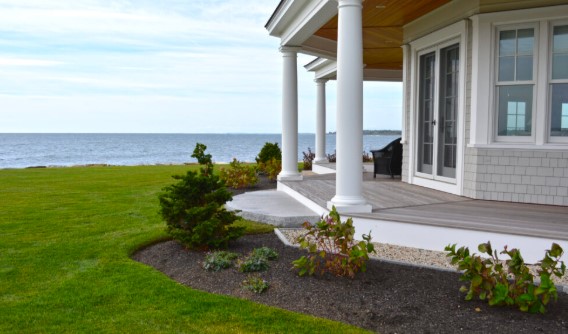
Building a house or commercial property near the sea offers beautiful views, fresh air, and a relaxing lifestyle. However, coastal environments also present unique challenges. Saltwater, strong winds, high humidity, and constant sun exposure can quickly damage ordinary building materials. That’s why choosing the right materials is one of the most important decisions when building near the coast.
One of the biggest threats to coastal buildings is salt. Salt carried by ocean breezes can speed up corrosion, especially on metal components. Using corrosion-resistant materials such as stainless steel, aluminum, or galvanized steel helps protect the building from rust and extends its lifespan.
Concrete remains one of the best structural materials for coastal construction, especially when high-quality reinforced concrete is used. Proper concrete mixes with protective coatings can withstand moisture and reduce the risk of cracking caused by salt exposure. Builders also use specialized sealants to improve durability even further.
Fiber cement is another popular option for coastal homes. It resists moisture, termites, fire, and rot while requiring very little maintenance. Unlike traditional wood siding, fiber cement does not easily warp or decay in humid environments.
For outdoor decking and walkways, composite decking has become increasingly popular. Made from a mixture of recycled plastic and wood fibers, composite materials resist moisture, fading, mold, and insect damage. They also require far less maintenance than natural wood, making them ideal for beachfront properties.
Natural stone is another excellent choice. Granite, slate, and certain types of limestone offer outstanding durability while creating an elegant appearance. Stone surfaces are highly resistant to harsh weather and require minimal maintenance over many years.
Roofing materials also deserve careful consideration. Metal roofs with corrosion-resistant coatings perform well in coastal areas because they resist strong winds and heavy rain. Proper installation helps prevent leaks while increasing the roof’s overall lifespan.
Windows and doors should also be designed for coastal conditions. Impact-resistant glass provides better protection against storms and flying debris. High-quality window frames made from aluminum or specially treated materials help prevent corrosion while improving energy efficiency.
Regular maintenance remains essential, even when durable materials are used. Washing exterior surfaces with fresh water helps remove salt deposits before they cause damage. Homeowners should also inspect protective coatings, seals, and drainage systems to ensure everything remains in good condition.
Modern coastal homes don’t have to sacrifice style for durability. Today’s building materials are available in a wide range of colors, textures, and finishes. Architects can combine sleek modern designs with materials that are specifically engineered to withstand harsh marine environments.
Sustainability is another growing trend in coastal construction. Many builders now choose recycled materials, energy-efficient insulation, and environmentally friendly finishes that reduce environmental impact while improving long-term performance.
Building by the sea requires thoughtful planning, but the rewards are well worth the effort. By selecting durable, weather-resistant, and low-maintenance materials, homeowners can enjoy stunning coastal living while protecting their investment for decades. With the right combination of smart design and quality materials, a seaside property can remain beautiful, safe, and comfortable despite the challenges of the coastal environment.