
Tuesday, 07 July 2026
Wood has been one of the most trusted building materials for centuries, and even today it remains an essential part of the construction industry. While concrete and steel dominate many large-scale projects, wood continues to be a favorite because it’s strong, versatile, sustainable, and easy to work with. However, not every type of wood is suitable for the same purpose. Choosing the right wood can improve a building’s durability, reduce maintenance costs, and make construction more efficient.
Here are some of the most common types of construction wood and how they’re used in different building projects.
1.Softwood for Light Structural Work
Softwood comes from conifer trees such as pine, spruce, and fir. These trees grow quickly, making softwood more affordable and widely available. Despite its lighter weight, softwood offers a great balance between strength and flexibility.
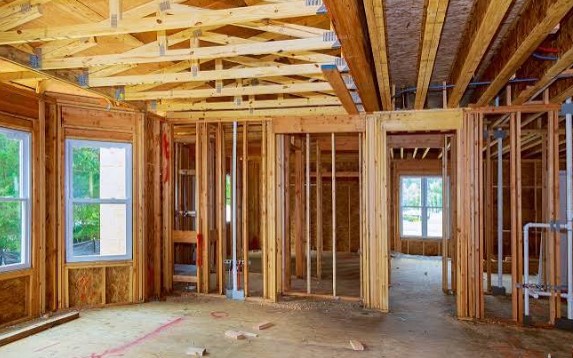
Because it’s easy to cut and install, builders often use softwood for roof trusses, ceiling frames, wall framing, and residential housing projects. Pine is especially popular thanks to its affordability, while spruce and fir provide an excellent strength-to-weight ratio for long-lasting structural support.
2.Hardwood for Heavy-Duty Construction
Hardwood is denser and much stronger than softwood. It comes from deciduous trees like teak, oak, and merbau, making it an excellent choice for projects that require high durability.
Hardwood is commonly used for support columns, heavy beams, flooring, doors, window frames, and outdoor structures. Since many hardwood species naturally resist termites, moisture, and harsh weather, they’re perfect for construction in tropical climates or areas exposed to the elements. Although hardwood costs more, its long lifespan often makes it a worthwhile investment.
3.Engineered Wood for Modern Buildings
Modern construction has introduced engineered wood products that combine natural wood with advanced manufacturing technology. These materials are designed to provide greater consistency, stability, and strength than traditional timber.
One popular option is Laminated Veneer Lumber (LVL), which is made by bonding thin layers of wood together. LVL is widely used for beams and roof structures because it can carry heavy loads without bending easily.
Another option is Glued Laminated Timber (Glulam), often used for large-span roofs, bridges, and commercial buildings. Thanks to its flexibility, Glulam can even be shaped into curved architectural designs.
Cross-Laminated Timber (CLT) is another innovative product that’s becoming increasingly popular. Its cross-layered panels create incredibly strong walls, floors, and roofs, making CLT a sustainable alternative to concrete in many modern buildings.
4.Processed Wood for Interior Applications
Not every construction project requires solid timber. Processed wood products like plywood, MDF, and OSB are widely used for interior walls, cabinetry, partitions, subfloors, and temporary concrete formwork.
These materials are cost-effective, easy to manufacture in standard sizes, and provide smooth surfaces for finishing work. While they aren’t usually suitable for major structural components, they play an important role in modern building projects.
Choosing the Right Wood
Selecting construction wood isn’t just about price. Builders should also consider the load the wood will carry, environmental conditions, moisture resistance, pest protection, and the desired appearance. A material that works perfectly indoors may not perform well outside, while structural beams require much greater strength than decorative panels.
Understanding these differences helps ensure a building remains safe, durable, and visually appealing for many years.
Wood continues to be one of the most reliable materials in construction. From lightweight softwood framing to heavy-duty hardwood structures and innovative engineered timber, every type of wood has its own role. By choosing the right material for the right application, builders can create stronger, longer-lasting, and more efficient buildings while also taking advantage of wood’s natural beauty and sustainability.