
Saturday, 11 July 2026
Steel has become one of the most important materials in modern construction. Whether it’s a residential home, a commercial office, a warehouse, or a high-rise building, steel plays a major role in creating structures that are strong, safe, and built to last.
Its combination of durability, flexibility, and sustainability makes it a favorite choice among architects, engineers, and contractors around the world. If you’re planning a construction project, understanding the advantages and uses of steel can help you make smarter building decisions.
Exceptional Strength and Durability
One of the biggest reasons steel is widely used in construction is its incredible strength. Steel can support heavy loads without adding unnecessary weight to a structure.
Unlike some traditional building materials, steel is less likely to crack, warp, or shrink over time. It also performs well under challenging weather conditions, making it a reliable choice for long-term construction projects.
With proper protection and maintenance, steel structures can remain strong for decades.
Faster Construction Process
Time is money in the construction industry, and steel helps speed up the building process.
Many steel components are manufactured off-site to precise measurements before being delivered to the construction site. Once they arrive, workers simply assemble the pieces, reducing the amount of cutting, shaping, and adjustment required.
This prefabrication process not only shortens project timelines but also reduces labor costs and minimizes construction delays.
Flexible Design Options
Steel offers excellent flexibility for architects and designers.
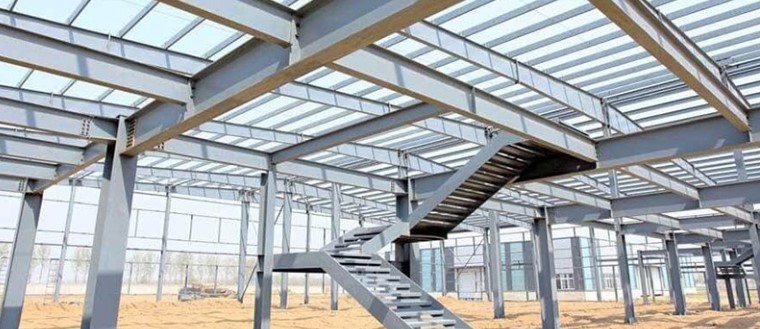
Because of its high strength-to-weight ratio, steel allows for larger open spaces with fewer supporting columns. This makes it ideal for office buildings, shopping centers, factories, warehouses, airports, and sports facilities where spacious interiors are important.
Its versatility also supports creative architectural designs that would be difficult to achieve using other materials.
Sustainable and Environmentally Friendly
Sustainability has become an increasingly important consideration in modern construction, and steel performs well in this area.
Steel is one of the most recyclable construction materials available. Even after a building reaches the end of its life, much of the steel can be recycled and reused in new projects without losing its strength or quality.
Choosing recyclable materials helps reduce construction waste and supports more environmentally responsible building practices.
Resistant to Fire and Pests
Compared to wood, steel offers several safety advantages.
It does not attract termites or other insects, and it won’t rot because of moisture. Steel is also non-combustible, meaning it does not contribute fuel to a fire. Although extremely high temperatures can affect steel’s strength, modern buildings often include fire-resistant coatings that improve overall safety.
These characteristics help reduce maintenance requirements while improving the durability of the structure.
Common Uses of Steel in Construction
Steel can be found in almost every part of a modern building.
It is commonly used for structural frames, roof trusses, support beams, columns, reinforcement bars for concrete, staircases, bridges, industrial facilities, and large commercial buildings.
Steel is also popular in prefabricated buildings because its components can be manufactured accurately and assembled quickly on-site.
As construction technology continues to evolve, steel remains one of the most versatile materials available.
A Reliable Investment for Modern Buildings
Every successful construction project depends on choosing the right materials, and steel continues to prove why it is one of the industry’s top choices.
Its strength, durability, design flexibility, and sustainability make it suitable for projects of all sizes, from family homes to major infrastructure developments.
By combining steel with proper engineering, quality workmanship, and regular maintenance, builders can create structures that are safe, efficient, and built to serve future generations. In today’s construction industry, steel isn’t just a building material—it’s the backbone of modern architecture.