
Thursday, 30 July 2026
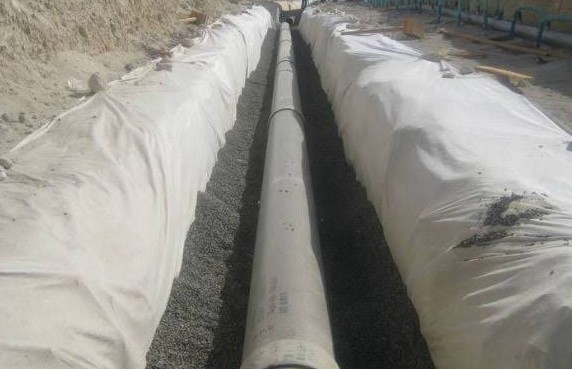
A good drainage system isn’t just about pipes and gravel. One of the most important components hiding beneath the surface is geotextile fabric. While it may not be visible once the project is finished, choosing the right geotextile can make the difference between a drainage system that lasts for decades and one that clogs within a few years.
So, which geotextiles are actually ideal for drainage?
The answer is simple: non-woven geotextiles are generally the best choice for drainage applications.
Unlike woven geotextiles, which focus on strength and soil reinforcement, non-woven geotextiles are specifically designed to allow water to pass through while preventing soil particles from entering the drainage system. This combination of filtration and permeability keeps drains flowing efficiently for much longer.
Non-woven geotextiles are manufactured by bonding synthetic fibers together through needle punching or heat treatment. The result is a fabric with thousands of tiny openings that let water move freely while trapping fine soil particles. This is exactly what drainage systems need to avoid clogging.
These geotextiles are commonly used in French drains, retaining walls, subsoil drainage systems, road construction, sports fields, landscaping projects, and erosion control. Anywhere water needs to move while soil stays in place, non-woven geotextiles are usually the preferred solution.
One major advantage is their high flow rate. Compared to woven fabrics, non-woven materials typically provide better water permeability, making them ideal for environments with heavy rainfall or poor natural drainage. They also adapt well to uneven surfaces, making installation easier in many construction projects.
However, choosing the right geotextile isn’t only about selecting non-woven fabric. Several factors should also be considered.
First is the soil type. Soft or clay-rich soils often require stronger and thicker geotextiles because the fabric must withstand greater pressure while maintaining filtration performance.
Next is the aggregate size. Larger drainage stones may require heavier geotextiles with greater puncture resistance to prevent damage during installation.
Another important consideration is the flow rate. Areas with large volumes of groundwater or stormwater need geotextiles capable of moving water efficiently without becoming blocked over time.
Material selection also matters. Polypropylene geotextiles are widely used because they resist chemicals, biological degradation, and ultraviolet exposure. Polyester options are also available and may be preferred in certain engineering applications depending on environmental conditions.
Although woven geotextiles still play an important role in construction, they’re better suited for reinforcement, soil stabilization, road foundations, embankments, and heavy-load applications. Their high tensile strength makes them excellent for structural support, but their lower permeability means they are generally not the best choice when efficient drainage is the primary goal.
Proper installation is just as important as choosing the right material. Even the highest-quality geotextile can fail if it’s torn during installation or installed incorrectly. Overlapping seams properly, avoiding wrinkles, and protecting the fabric from punctures all contribute to a longer-lasting drainage system.
At the end of the day, effective drainage depends on balancing filtration, water flow, durability, and soil protection. For most drainage projects, non-woven geotextiles offer the ideal combination of these qualities. By selecting the right product for the specific soil conditions and project requirements, builders can create drainage systems that remain efficient, reliable, and low-maintenance for many years.