
Tuesday, 04 August 2026
Living in a hot climate means every part of your property needs to handle intense sunshine and high temperatures—including your fence. While many people focus on choosing the right roofing or exterior paint, the fence also plays a major role in protecting your home, improving privacy, and boosting curb appeal.
The good news is that there are plenty of fencing designs specifically suited for hot weather. The best options combine durability, ventilation, and low maintenance while maintaining an attractive appearance.
Here are some of the best fencing designs to consider if you live in a warm or tropical climate.
Aluminum Fencing
Aluminum is one of the most reliable fencing materials for hot weather. Unlike timber, aluminum won’t warp, crack, or rot under prolonged exposure to sunlight. It’s also resistant to rust and requires very little maintenance beyond occasional cleaning.
Modern aluminum fences are available in many stylish designs, making them suitable for both modern and traditional homes.
Steel Fencing with Protective Coating
Steel fences offer excellent strength and security. For hot climates, choose galvanized or powder-coated steel to prevent corrosion and extend the fence’s lifespan. High-quality coatings also help protect the surface from constant UV exposure.
Composite Fencing
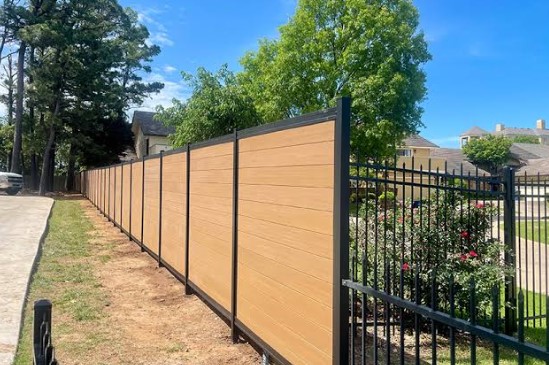
Composite fencing combines recycled wood fibers with plastic, creating a material that’s built to withstand harsh weather.
Unlike natural timber, composite fences resist fading, cracking, splitting, and insect damage. They also require very little maintenance while providing the warm appearance of wood.
Slatted Fence Designs
Design matters just as much as material. Slatted fences feature small gaps between panels that allow air to flow through the property. Better airflow reduces wind pressure and helps outdoor spaces feel cooler during hot summer days.
These fences also create a modern, minimalist look that fits many architectural styles.
Color Makes a Difference
Many homeowners overlook the importance of fence color. Lighter colors reflect more sunlight than darker shades, helping the fence absorb less heat. White, beige, grey, and light natural wood tones are popular choices for warm climates.
UV-Resistant Finishes
No matter which material you choose, applying a UV-resistant coating can significantly extend your fence’s lifespan.
These protective finishes reduce fading, preserve color, and protect the surface from constant exposure to harsh sunlight.
Consider Long-Term Maintenance
A beautiful fence should remain attractive for years. Choose materials that require minimal repainting or repairs. Aluminum and composite fencing are often the best long-term investments because they maintain their appearance with very little upkeep.
Although timber fences can still be used, they require regular sealing and maintenance to prevent sun damage.
The best fence for hot weather isn’t just about appearance—it’s about choosing materials and designs that can handle years of intense sunshine while staying strong and attractive.
Aluminum, coated steel, composite materials, and slatted designs all provide excellent performance in warm climates. Pair these with lighter colors and UV-resistant finishes, and you’ll have a fence that not only enhances your property’s appearance but also stands up to the challenges of hot weather for many years to come.