
Thursday, 06 August 2026
Choosing the right fencing material is more than just picking something that looks good. A fence protects your home, adds privacy, improves security, and even boosts your property’s value. With so many options available today, it can be difficult to decide which material is the best fit. The good news is that by understanding your needs and comparing the strengths of each material, you can make a smart investment that lasts for years.
The first thing you should consider is the purpose of your fence. Are you trying to increase privacy? Keep pets and children safe? Improve security? Or simply make your yard look more attractive? Your goal will help narrow down the choices. For example, a solid wood or composite fence works well for privacy, while metal fencing is often preferred for security.
Next, think about durability. Different materials perform differently depending on the local climate. If you live in an area with heavy rain or high humidity, you’ll want a material that resists moisture. Composite fencing has become increasingly popular because it doesn’t rot, warp, or attract termites like traditional wood. Aluminum and vinyl are also excellent choices because they resist rust and weather damage while requiring very little maintenance.
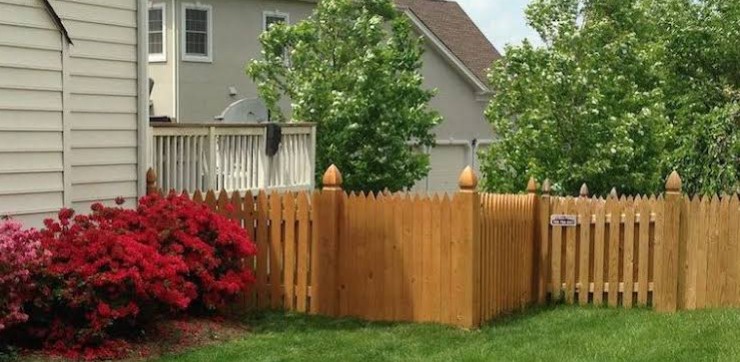
Speaking of maintenance, it’s important to be realistic about how much time and effort you’re willing to spend caring for your fence. Wood fences offer a classic and natural appearance, but they usually require regular painting, staining, or sealing. Vinyl fencing, on the other hand, only needs occasional cleaning with water and mild soap. Composite fencing combines the attractive appearance of wood with the convenience of low maintenance, making it a practical long-term option.
Budget is another major factor. While it’s tempting to focus only on the initial price, it’s smarter to think about the total cost over the fence’s lifetime. A cheaper material that requires frequent repairs or replacement may end up costing more than a premium material with minimal maintenance. Consider installation costs, maintenance expenses, and expected lifespan before making a decision.
Appearance also matters because your fence contributes to your home’s overall curb appeal. Choose a material and color that complement your house’s architectural style and surrounding landscape. Modern homes often pair well with sleek aluminum or composite fencing, while traditional homes may look better with wooden fences.
Environmental impact has also become an important consideration. Many homeowners now prefer sustainable building materials. Composite fencing is often made from recycled wood fibers and recycled plastics, helping reduce waste while delivering long-lasting performance. Choosing eco-friendly materials is a great way to combine durability with environmental responsibility.
Finally, don’t forget to check local building regulations or neighborhood guidelines before installing a new fence. Some communities have restrictions on fence height, design, or materials. Confirming these requirements early can save you time and money later.
At the end of the day, the best fencing material depends on your priorities. If you want natural beauty, wood remains a timeless choice. If you prefer durability and low maintenance, composite, vinyl, or aluminum may be better options. By carefully considering durability, maintenance, budget, appearance, and sustainability, you’ll be able to choose a fence that protects your property while enhancing its overall value for many years to come.