
Tuesday, 18 August 2026
Lombok is famous for its beaches, mountains, rice fields, and growing tourism industry. As more areas develop, however, managing rainwater becomes increasingly important. One solution that can be considered is the construction of infiltration basins.
An infiltration basin is basically a specially designed area that temporarily collects rainwater and allows it to slowly soak into the ground. Instead of allowing rainwater to immediately flow into streets, drainage channels, or rivers, the basin gives the water time to enter the soil.
This may sound like a simple idea, but infiltration basins can play an important role in sustainable water management.
For a developing destination like Lombok, managing stormwater is becoming more important. New hotels, villas, housing areas, roads, and commercial buildings can change how rainwater naturally moves across the land. When large areas are covered with concrete or other hard surfaces, less water can enter the ground naturally.
During heavy rain, this can increase surface runoff and put additional pressure on existing drainage systems.
An infiltration basin can help address this problem by creating a dedicated space where runoff can be collected. The water can then gradually infiltrate into the surrounding soil, depending on the site’s soil conditions and design.
However, building one is not simply about digging a large hole in the ground. Proper planning is important.
Before construction begins, engineers need to understand the characteristics of the site. Soil type is particularly important because different soils have different infiltration capacities. A location with soil that allows water to move through easily may be more suitable than an area with very low permeability.
The groundwater level, topography, rainfall patterns, and surrounding buildings should also be considered.
Location is another major factor. An infiltration basin needs enough space and should be positioned carefully so that collected water does not create problems for nearby buildings or infrastructure.
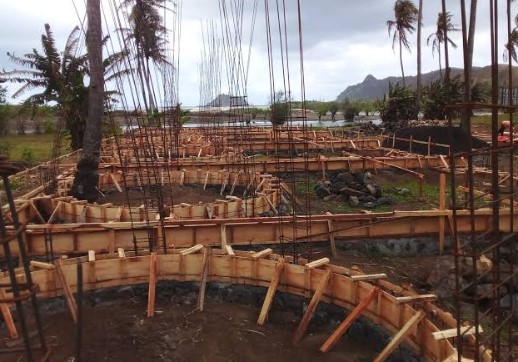
The construction process can include excavation, preparation of the basin area, installation of suitable drainage connections, and landscaping or other surface treatments. Depending on the design, additional materials may be needed to improve water movement and prevent erosion.
Maintenance is just as important as construction. Leaves, sediment, trash, and other materials can accumulate in the basin over time. If these materials block the system, water may not infiltrate as effectively as intended.
Regular inspection and cleaning can help keep the basin working properly.
For Lombok, infiltration basins could be useful in both residential and tourism developments. Hotels, villas, housing projects, and other developments can consider water-sensitive drainage solutions as part of their site planning.
This is particularly relevant as Lombok continues to grow as a tourism destination. Sustainable construction is not only about making buildings look attractive. It is also about understanding how those buildings interact with the natural environment.
A well-planned infiltration basin can support better stormwater management while helping rainwater return to the ground naturally.
In the long run, solutions like this can become part of a more sustainable approach to construction in Lombok. With proper engineering, suitable site selection, and regular maintenance, infiltration basins can help development move forward without completely ignoring the island’s natural water cycle.