
Wednesday, 26 August 2026
Concrete is known for being strong and durable, but that does not mean it will never develop cracks. Over time, concrete surfaces can crack because of weather changes, moisture, ground movement, shrinkage, heavy loads, or simply the natural aging of the material.
The good news? Not every crack means you need to replace the entire concrete surface. With the right repair method and sealant, many cracks can be fixed and protected from getting worse.
Start by Understanding the Crack
Before reaching for cement or sealant, take a closer look at the crack.
Small hairline cracks are usually easier to repair and may only require a suitable concrete crack filler or sealant. Wider or deeper cracks need more attention because they may indicate movement or a more serious problem underneath the surface.
This is why simply covering a crack with cement is not always the best solution. If the concrete continues to move, the repair can crack again. So, the first step is always understanding what caused the damage.
What Sealant Should You Use?
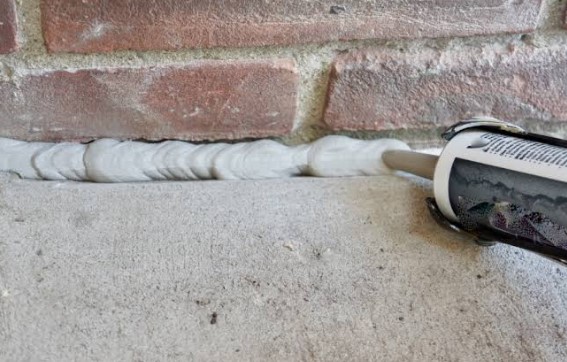
For small cracks, flexible concrete sealants can be a practical choice. Acrylic or polyurethane-based sealants are commonly used for concrete repairs because they can provide a good seal while allowing some movement.
Polyurethane sealant is particularly useful when flexibility is important. Concrete can expand and contract with temperature changes, so a repair material that can handle some movement may last longer than a rigid patch.
For larger cracks, epoxy-based repair products can provide strong adhesion and are often used when a more durable structural repair is needed. However, epoxy is not suitable for every situation, especially where significant movement is still happening.
The key is choosing a product based on the type and condition of the crack rather than simply choosing the strongest material available.
What About Cement?
Cement-based repair mortar can also be useful for repairing concrete, particularly when dealing with damaged edges, holes, or larger areas that need rebuilding.
However, regular cement mixed with water is not always enough for a crack repair. The repaired area may shrink as it dries, potentially creating another crack.
For better results, specialized concrete repair mortar or crack repair compounds are often a better option. These products are designed specifically for repair work and can provide better bonding and durability than ordinary cement.
Proper Preparation Matters
Even the best sealant will struggle if the surface is not prepared properly.
Before applying a repair product, remove loose concrete, dust, dirt, and other debris around the crack. The surface should also be prepared according to the product manufacturer’s instructions.
For deeper cracks, the repair may need to be applied in stages rather than filled all at once. After the repair is complete, allow sufficient curing or drying time before exposing the area to heavy traffic or loads.
A Long-Lasting Repair Is More Than Just Filling a Crack
The biggest mistake people make is thinking concrete crack repair is simply about covering the visible damage.
In reality, a lasting repair depends on several things: identifying the cause, selecting the appropriate sealant or repair material, preparing the surface properly, and applying the product correctly.
If the crack keeps returning, becomes wider, or appears alongside major structural damage, it is better to have the concrete inspected by a qualified professional.
With the right approach, concrete cracks don’t have to become a major headache. A small repair done properly today can help protect the surface and save you from a much bigger repair bill later.