
Monday, 14 September 2026
When people talk about construction materials, gravel may not sound as important as cement, steel, or bricks. However, this simple material plays an important role in many construction projects. From house foundations and concrete to drainage systems and roads, gravel can help make a structure stronger, more stable, and better protected from water.
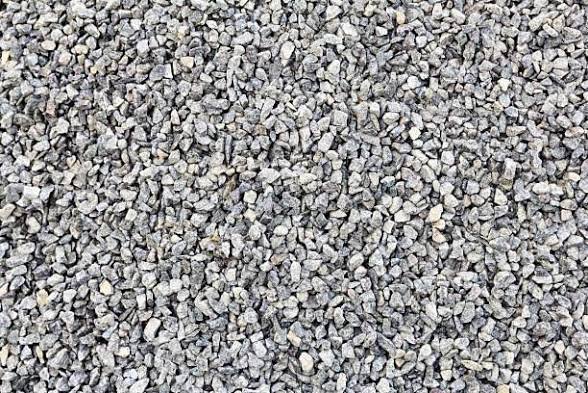
Gravel is basically a collection of small pieces of rock. The size is generally larger than sand but smaller than cobbles. Some gravel is naturally formed through weathering and erosion, while other types are produced by crushing larger rocks in quarries.
One of the main reasons gravel is useful in construction is its ability to allow water to pass through the spaces between its particles. This makes it especially useful for drainage and areas where water needs to move away from a building.
Common Uses of Gravel
Gravel has many uses in construction. One of the most common is as a base material. It can be placed underneath foundations, roads, driveways, and paved areas to create a more stable surface. A good gravel layer can also help reduce water accumulation around a building.
Gravel is also commonly used in concrete. It works as coarse aggregate and is mixed with cement, sand, and water. The size and quality of the gravel can affect the strength and durability of the finished concrete.
Another important use is drainage. Gravel can help move water away from foundations, retaining walls, roads, and other structures. This can reduce water buildup and help protect the surrounding soil from erosion.
For outdoor areas, gravel is also popular for pathways, driveways, landscaping, and ground cover. So, it is not only useful for structural purposes but can also make an outdoor area look cleaner and more attractive.
Types of Gravel
There are several types of gravel that can be selected depending on the project. Uncrushed gravel usually has rounded or smoother particles and can be easier to work with. Crushed gravel has rougher and more angular particles, allowing the pieces to interlock better. Partially crushed gravel combines characteristics of both.
What Should You Consider?
Choosing the right gravel is important. First, consider the size needed for the project. Different applications require different particle sizes.
Grading is also important. Well-graded gravel contains a good mix of particle sizes, allowing the smaller pieces to fill spaces between larger ones. This can improve compaction and stability.
Cleanliness should not be ignored either. Gravel containing too much clay, silt, dust, or organic material may affect construction quality, especially when used in concrete.
Finally, gravel needs to be properly compacted when used for foundations, roads, or other base layers. Good compaction can reduce settlement and improve load-bearing capacity.
In short, gravel may look simple, but it has an important job in construction. Choosing the right type, size, quality, and application can make a big difference in the strength, drainage, and long-term performance of a project.