
Friday, 18 September 2026
Living in a tropical climate can be wonderful, but designing a comfortable home in a hot and humid environment requires some smart planning. A tropical house should not only look beautiful. It should also make good use of natural airflow, sunlight, shade, and the surrounding landscape.
According to Manon Design Studio, there are five important features that can help create a beautiful and comfortable tropical house.
Open-Air Living Spaces
One of the most recognizable features of tropical house design is the use of open spaces. Instead of filling the house with unnecessary walls, the design allows indoor and outdoor areas to connect naturally.
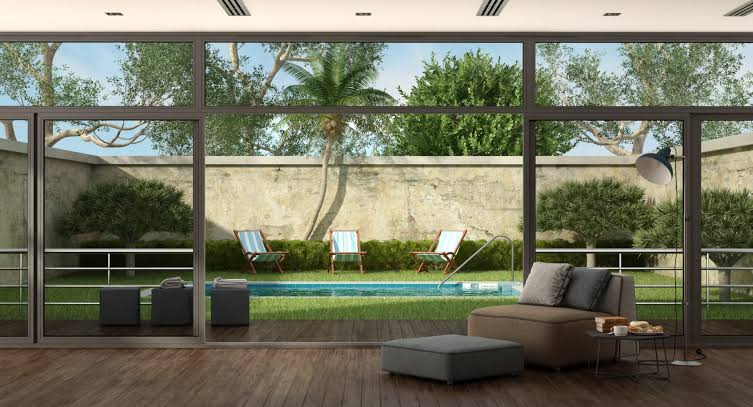
Large glass doors, open windows, patios, and terraces can make the home feel more spacious. They also allow fresh air to move through the house. This creates a relaxed atmosphere that works especially well in warm climates.
Open spaces can also become great areas for family gatherings, relaxing, or simply enjoying the view outside.
Passive Cooling
A tropical home needs to deal with heat every day. That is why passive cooling is an important part of the design.
High ceilings, large windows, clerestory windows, and ventilation openings can help warm air escape while allowing cooler air to enter. Roof overhangs, balconies, pergolas, and other shading elements can also reduce direct sunlight entering the house.
With good planning, these features can make indoor spaces more comfortable and reduce dependence on air conditioning.
Natural and Local Materials
Natural materials can give a tropical home a warm and authentic character. Bamboo, teak wood, rattan, and natural stone are some examples commonly associated with tropical architecture.
Using local materials can also help a building blend with its surroundings. At the same time, sourcing materials locally can reduce transportation needs and support local craftsmanship.
Of course, materials still need to be selected carefully based on the local climate, maintenance requirements, and durability.
Elevated Structures
Another interesting feature is raising parts of the house above the ground. Elevated or floating structures can be useful in areas that experience flooding or high humidity.
Having space underneath the building can improve airflow and help reduce moisture around the lower part of the structure. It can also create an interesting architectural appearance.
This approach shows how tropical architecture can combine practical solutions with visual appeal.
Lush Landscaping
A tropical home does not stop at the walls of the building. The surrounding landscape is also an important part of the design.
Native tropical plants, gardens, green walls, pathways, ponds, and plunge pools can help connect the house with nature. Plants can also provide shade, privacy, and a more comfortable outdoor environment.
Using native plants is particularly useful because they are generally better adapted to the local climate and can require less maintenance.
Ultimately, tropical house design is about more than creating a house that looks like a holiday villa. It is about designing a space that works with the local environment. Manon Design Studio highlights open-air living, passive cooling, natural materials, elevated structures, and lush landscaping as key elements of effective tropical design.
When these features are planned properly, a tropical home can feel airy, comfortable, connected to nature, and enjoyable throughout the year.