
Saturday, 19 September 2026
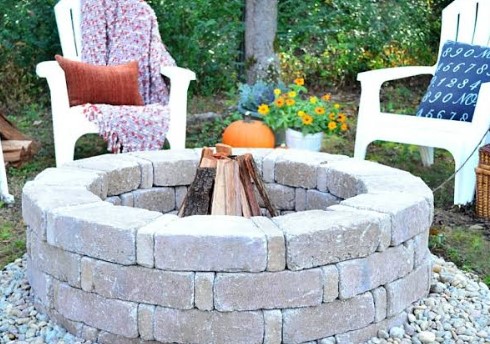
A fire pit can be a fun addition to a garden, backyard, villa, restaurant, or outdoor hospitality area. It can become a comfortable place for people to sit, talk, and enjoy an evening outdoors.
But before building a fire pit, choosing the right bricks is very important. Not every type of brick is designed to handle high temperatures. Using the wrong material can lead to cracking, damage, or safety problems.
So, what type of brick should you use?
Clay Bricks for High Heat
Clay fire bricks are commonly recommended for areas that are directly exposed to flames. These bricks are made from clay and fired at high temperatures during production. This gives them better resistance to heat and repeated heating and cooling.
According to Highland Refractory, high-quality fire clay bricks can handle temperatures around 800°C to 1000°C. This makes them suitable for the inner part of a fire pit, where the heat is strongest.
Another advantage is their thermal stability. A fire pit can become hot quickly and then cool down after the fire is finished. This repeated change in temperature can put stress on building materials. Fire clay bricks are designed to handle this type of environment better than ordinary bricks.
What About Concrete Bricks?
Concrete bricks are popular because they are affordable, easy to find, and simple to install. They can also look good as part of an outdoor landscape.
However, standard concrete bricks are not designed for direct and continuous exposure to high heat. The source explains that concrete bricks may tolerate lower temperatures, but direct flames and prolonged high temperatures can cause cracking, surface damage, or spalling.
For this reason, concrete bricks are better suited to the outside or decorative part of a fire pit rather than the inner area that directly touches the flames.
A Combination Can Work
You do not always have to choose only one material.
A practical fire pit design can use clay fire bricks as the inner lining and concrete or decorative bricks as the outer wall. This approach allows the inner section to handle high temperatures while the outside can provide the appearance and structure you want.
An insulation layer can also be included between the hot inner section and the outside wall.
Don’t Forget the Mortar
Choosing good bricks is only one part of the project. The mortar is also important.
For areas exposed to high temperatures, refractory mortar is recommended instead of ordinary cement mortar. The correct mortar helps the brickwork handle heat more effectively.
Expansion gaps should also be considered because bricks can move slightly when they become hot.
Think About Safety First
A fire pit may look simple, but it is still a structure that deals with fire and high temperatures. The bricks should be checked regularly for cracks or damage. The fire pit should also be placed away from flammable structures and materials.
For a frequently used fire pit, such as one at a hotel, restaurant, or villa, choosing heat-resistant materials is especially important.
In simple terms, fire clay bricks are a suitable choice for the high-heat inner section of a fire pit, while concrete bricks can be considered for outer decorative areas. The right combination of materials, mortar, insulation, and construction methods can help create a fire pit that is both attractive and durable.
A good outdoor construction project starts with choosing materials based on how they will actually be used. When fire is involved, heat resistance should always be one of the main things to consider.
The material comparison and installation points are based on the supplied Highland Refractory article, including its discussion of clay/fire bricks, concrete bricks, refractory mortar, insulation, and mixed-material construction.