
Tuesday, 22 September 2026
Finding cracks on a wall can be worrying, especially when they appear to be getting bigger. Not every crack means there is a serious structural problem, but some cracks can be signs of foundation movement, moisture problems, settlement, or other issues. That is why it is important to understand the type of crack before simply covering it with filler or paint.
Check the Crack First
The first step is to look at the size, shape, and location of the crack. Small hairline cracks can sometimes come from normal settlement, temperature changes, or drying of plaster and drywall.
However, wider or growing cracks need more attention. Horizontal cracks, large diagonal cracks, and stair-step cracks in brick or masonry can sometimes indicate movement in the foundation. Cracks around windows and doors can also be important, especially when they continue to expand.
It is also worth checking for other warning signs. Doors and windows that suddenly become difficult to open, uneven floors, water seepage, bulging walls, or gaps between walls and ceilings can indicate a deeper problem.
Clean and Prepare the Crack
If the crack is suitable for a normal repair, start by cleaning the area. Remove dust, dirt, and loose pieces using a brush or vacuum.
For some deeper cracks, the opening may need to be slightly widened to create a better surface for the repair material. On masonry or concrete, lightly dampening the area can also help prevent the repair compound from drying too quickly.
Choose the Right Repair Material
The repair material depends on the type of wall.
For drywall or plaster, joint compound combined with fiberglass mesh tape can be used for small to medium cracks. Flexible caulk can also be useful where small movements are expected.
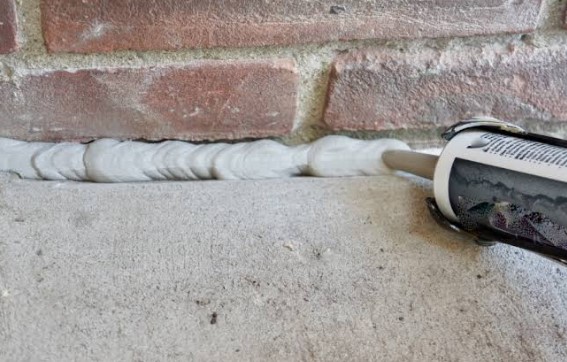
For brick or masonry walls, cement-based mortar can be used for deeper cracks, while flexible masonry sealant may work for smaller cracks.
Concrete walls may require different solutions. Epoxy injection can be used for some deep, non-moving cracks, while polyurethane can provide flexibility and help with waterproofing. Hydraulic cement can also be used for certain active leaks.
Repair the Wall Carefully
For a drywall crack, apply joint compound over the damaged area and place fiberglass mesh tape over it. Additional layers of compound can then be applied and sanded until the surface becomes smooth. After that, the wall can be primed and painted.
For masonry, mortar can be pressed into the crack with a pointing trowel and then smoothed. Proper curing is important so the repair can become stronger.
But remember, repairing the visible crack is only part of the job. If the foundation is moving, simply filling the crack may not solve the real problem.
Prevent the Crack from Returning
The underlying cause should be addressed whenever possible. Poor drainage, water buildup, foundation settlement, soil movement, or leaking pipes can contribute to wall damage.
If a crack is wide, growing, horizontal, stair-step shaped, or accompanied by other structural warning signs, professional assessment is recommended.
A wall crack may look like a small cosmetic problem, but understanding its cause can help prevent bigger and more expensive damage later.