
Friday, 25 September 2026
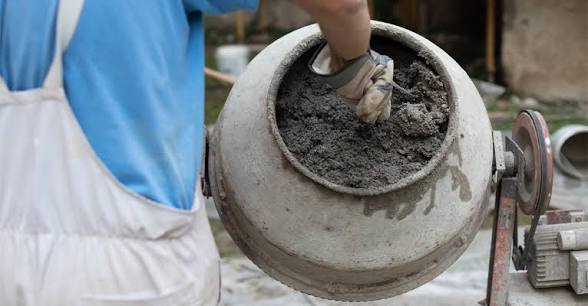
Mortar may look simple because it is basically used to connect bricks, stones, and other masonry materials. But getting the mix right is important. Poorly prepared mortar can affect the quality and durability of construction work.
There are several basic precautions that workers should understand when preparing and using mortar mix. Paying attention to these details can help make the construction process safer and more effective.
Do Not Mix Too Much Mortar
One important rule is to prepare mortar in quantities that can be used before it starts setting. There is little benefit in making a huge batch if workers cannot use it in time.
According to Civil Today, different mortar types have different working time limits. Cement mortar, for example, should be used within about 90 minutes after water is added. Mortar containing hydraulic lime has a longer period, while mixes containing surki or cinders can have different limits.
Once mortar has already set, it should not simply be reused.
Be Careful With Water
Water plays a major role in mortar mixing. Too much water can make the mixture too loose and may affect its performance.
The mortar should be workable enough for construction but should not contain unnecessary excess water. The goal is to achieve a consistency that workers can use conveniently while maintaining the quality of the mix.
Always Use Clean Water
The quality of water also matters. Fresh water should be used when preparing mortar. Civil Today recommends water that is free from materials such as oil, dust, and alkalies.
Seawater should also be avoided when preparing mortar mixtures.
This may sound like a small detail, but using unsuitable water can create unnecessary problems during construction.
Soak Bricks Before Using Them
Bricks and stones used in masonry work should also receive attention before they are placed with mortar.
The source recommends thoroughly soaking usable bricks or stones in water for at least 12 hours before construction. This helps prevent them from quickly absorbing moisture from the mortar before it has properly set.
This step is especially useful when working with materials that can absorb a significant amount of water.
Fill the Joints Properly
When building a brick or stone wall, the joints between materials should be properly filled with mortar. Empty or poorly filled joints can affect the overall quality of the masonry.
Workers should make sure the mortar is distributed properly rather than leaving visible gaps between the bricks or stones.
Keep the Mortar Work Wet
After the mortar work is completed, keeping it wet for a period is another important precaution. Civil Today recommends keeping mortar work wet for one to two weeks to prevent it from drying too quickly, particularly during hot weather.
Weather conditions should also be considered. Frosty weather can affect cement setting, so masonry work should be stopped in such conditions.
Overall, good mortar work is not only about mixing cement and sand. The amount of water, quality of materials, working time, weather, and curing all matter. By following these basic precautions, construction workers can avoid common mistakes and produce more reliable masonry work.