
Saturday, 26 September 2026
The floor is one of the most important parts of a house. We walk on it every day, put furniture on it, and sometimes spill food or drinks on it. Because of this, floors can develop different problems over time.
The good news is that many common floor problems can be repaired without replacing the entire floor. Here are some problems homeowners may face and some simple ways to deal with them.
Buckling or Warping
Wooden floors can bend, rise, or change shape because of excess moisture and humidity. Poor installation can also cause this problem.
The first step is to find the source of the moisture. Check for leaks, spills, or high humidity. After fixing the source, affected wooden boards may need to be secured again. A dehumidifier can also help control indoor moisture.
Scratches and Scuffs
Scratches are common, especially in homes with pets, children, heavy furniture, or busy foot traffic. Moving chairs and tables can also leave marks on the floor.
Small scratches on hardwood can sometimes be repaired with wood filler or a touch-up pen. Laminate and vinyl floors may be repaired with special repair kits or wax pencils.
To prevent new scratches, homeowners can place pads under furniture legs and use rugs in busy areas.
Stains and Discoloration
Spilled drinks, food, sunlight, and strong cleaning products can cause stains or changes in floor color. Cleaning spills quickly is one of the easiest ways to prevent permanent marks.
Use a cleaner that is suitable for the specific flooring material. If sunlight causes uneven colors, curtains or blinds can help reduce direct UV exposure.
Squeaky Floors
A squeaky floor can be annoying, especially at night. This problem is often caused by loose floorboards or movement between the subfloor and floor structure.
A temporary solution is to use powder between boards to reduce friction. For a more permanent repair, loose boards can be secured with nails or screws.
Cracked Tiles or Grout
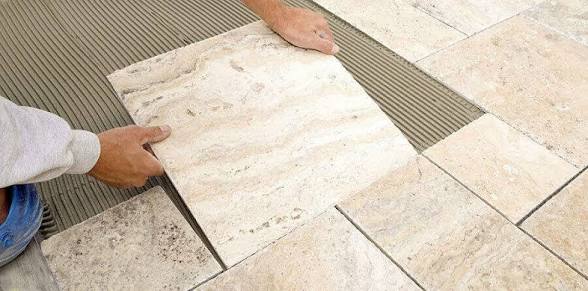
Tiles can crack because of heavy impact, poor installation, or natural movement in the house. Cracked grout can also appear over time.
A badly damaged tile may need to be removed and replaced with a new one. Small grout problems can usually be repaired with a grout repair product.
Water Damage
Water is one of the biggest enemies of many flooring materials. Leaking pipes, floods, and spills can cause wood or laminate floors to swell and warp.
Minor water damage can sometimes be reduced by drying the area with fans or a dehumidifier. More serious damage may require replacing damaged boards.
Regular Care Matters
Many floor problems can be reduced through simple maintenance. Clean the floor regularly, deal with spills quickly, control indoor humidity, and protect the surface from heavy furniture.
Taking care of your floor early can help prevent small problems from becoming expensive repairs.