
Saturday, 17 October 2026
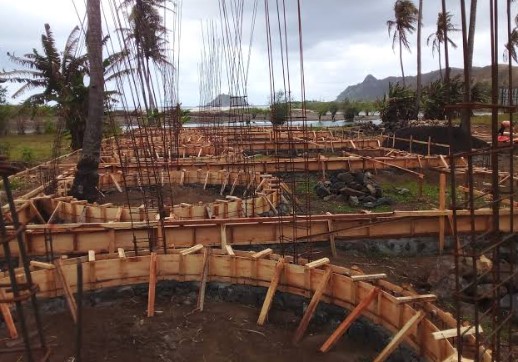
Building a house during the rainy season can be challenging. Rain can slow down construction work, make the ground muddy, and affect some building materials. However, it does not mean that construction must stop completely. With good planning and proper preparation, homeowners can keep their projects running more safely and smoothly.
Here are some important tips to consider before building a house during the rainy season.
Prepare a Good Construction Plan
Planning is the first step in any house construction project. During the rainy season, it becomes even more important because the weather can change quickly.
Before construction begins, discuss the schedule with your contractor. Identify which jobs can continue during light rain and which activities require dry weather.
For example, indoor work may continue when outdoor activities need to stop. Having a flexible schedule also helps workers adjust their tasks when heavy rain arrives.
It is wise to prepare extra time in the project schedule because unexpected weather conditions may cause delays.
Protect Building Materials from Rain
Some construction materials can lose quality when exposed to water or moisture for too long. Cement, for example, must be stored in a dry place because moisture can cause it to harden before use.
Keep cement bags in a covered storage area, raised above the ground, and away from leaking roofs. Sand, bricks, timber, and other materials should also be stored properly to reduce damage.
Cover materials with waterproof sheets when necessary, but make sure the storage area still has enough ventilation. Proper storage can help prevent waste and additional construction costs.
Make Sure the Site Has Good Drainage
Heavy rain can cause water to collect around the construction site. Standing water can make the ground unstable, create muddy working areas, and interfere with foundation work.
Before construction begins, prepare temporary drainage channels to direct rainwater away from the building area. Keep drains clear of soil, rubbish, and other materials that could block the water flow.
If the site is located on sloping land, ask a qualified professional to assess how rainwater should be managed. Good drainage helps protect both workers and the building foundation.
Be Careful with Concrete Work
Concrete work requires special attention during the rainy season. Too much rainwater can affect freshly poured concrete, especially if it washes away cement paste or changes the intended water-to-cement ratio.
Before pouring concrete, check the weather forecast and prepare waterproof covers. If rain starts unexpectedly, workers should follow the contractor’s instructions to protect the concrete.
Never add extra water to a concrete mixture without proper guidance. The mixture must follow the correct specifications to achieve the required strength.
For important structural work, consult the project engineer before deciding whether to continue or postpone the activity.
Prioritize Worker Safety
Wet construction sites can be dangerous. Muddy surfaces, slippery ladders, and water near electrical equipment increase the risk of accidents.
Provide workers with suitable footwear, keep walking paths clear, and secure electrical installations against water. Stop outdoor work during lightning or other dangerous weather conditions.
Safety should always come before completing a task quickly.
Check the Weather and Inspect the Site
Check weather forecasts regularly and inspect the construction site after heavy rain. Look for standing water, soil movement, damaged covers, and materials that may have become wet.
Fix problems as soon as possible to prevent bigger delays. Keep communication open between the homeowner, contractor, and workers so everyone understands the next steps.
Build Carefully, Even in Wet Weather
Building a house during the rainy season requires extra attention, but careful preparation can make the process easier. A flexible schedule, protected materials, proper drainage, safe working conditions, and good supervision are essential.
Most importantly, never sacrifice construction quality or worker safety just to finish the project faster. A well-planned house should be strong, safe, and comfortable for many years to come.