
Saturday, 17 October 2026
Living in a busy city often means having limited space around the house. Many homes have small yards or no outdoor areas at all. That is why a rooftop can be a useful solution for homeowners who want extra space without making their houses bigger.
A rooftop is a flat roof area, usually built on a concrete slab, that can be used for different activities. With the right design and materials, it can become a comfortable outdoor space for relaxing, gardening, or spending time with family.
Different Functions of a Home Rooftop
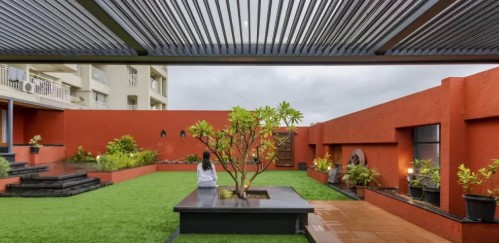
One of the most popular uses for a rooftop is an outdoor relaxation area. Homeowners can place comfortable chairs, a small table, and some plants to create a peaceful corner above the busy streets.
A rooftop can also become an outdoor dining area. Families can enjoy breakfast, dinner, or weekend meals while enjoying fresh air. For people who like inviting friends over, the space can also be used for small gatherings or barbecue parties.
Another interesting option is a rooftop garden. Plants can make the area look greener and more attractive. In a city with many buildings and limited green spaces, a small garden can provide a refreshing atmosphere.
Some homeowners also use their rooftops for laundry, exercise, or simply enjoying the evening sky. However, every function requires proper planning, especially when it involves heavy furniture, large plant containers, or water features.
UPVC Roofing for Better Comfort
If the rooftop needs an additional roof for shade and rain protection, UPVC roofing can be a suitable option.
UPVC is a type of plastic material commonly used for roofing. It is relatively lightweight and can help reduce heat and noise from rain, depending on the product design and installation.
This material is useful for homeowners who want to create a shaded seating area without building a fully enclosed room. It can help make the rooftop more comfortable during hot weather or light rain.
Before choosing UPVC roofing, check its durability, installation requirements, and resistance to outdoor conditions. A suitable supporting frame is also important to keep the roof secure.
Outdoor Wood Decking for a Natural Look
Wood decking is another popular choice for rooftop flooring. It creates a warm and natural appearance that works well with modern minimalist houses.
Some suitable options include bengkirai, ulin, merbau, and keruing wood. However, the performance of each type depends on its quality, treatment, and maintenance.
Outdoor decking should be designed to handle changing weather conditions. Proper drainage and ventilation underneath the flooring are important to prevent moisture from becoming trapped.
For homeowners who prefer easier maintenance, outdoor composite decking can also be considered. This material combines wood fibers and plastic, although its heat resistance and durability depend on the specific product.
Concrete Flooring for Strength
Concrete is a practical option for rooftop flooring because it is strong and suitable for many modern house designs.
It can be left with a simple finish or covered with another material for a more attractive appearance. Concrete is also useful when homeowners want a minimalist look without spending too much on decorative flooring.
However, the concrete surface needs proper waterproofing and drainage. Without these protections, water can enter cracks and cause leaks in the rooms below.
Natural Stone for an Elegant Appearance
Natural stone can make a rooftop look more elegant. Its colors and textures can create an attractive outdoor space that matches plants, wooden furniture, and minimalist decorations.
However, some natural stones absorb water because they have porous surfaces. Therefore, homeowners should choose suitable stone types and finishes for outdoor use.
A textured, slip-resistant surface is important, especially when the rooftop becomes wet after rain.
Important Things to Consider Before Building
Choosing attractive materials is not enough. The rooftop must have a strong structure that can safely support people, furniture, plants, and other planned features.
Waterproofing is essential to prevent leaks, while proper drainage helps rainwater flow away instead of collecting on the surface. The floor should also be designed to reduce slipping.
For homes in busy cities, privacy and sun protection are worth considering. Screens, shade structures, and carefully placed plants can make the rooftop more comfortable.
Before construction, consult a qualified building professional to check the structural design and select materials that match the house.
A rooftop can provide valuable extra space in a city home. UPVC roofing, outdoor wood decking, concrete, and natural stone each offer different benefits.
The best choice depends on the rooftop’s purpose, budget, maintenance needs, and local weather conditions. With the right materials and careful planning, a rooftop can become a practical and comfortable part of a modern home.