
Tuesday, 23 June 2026
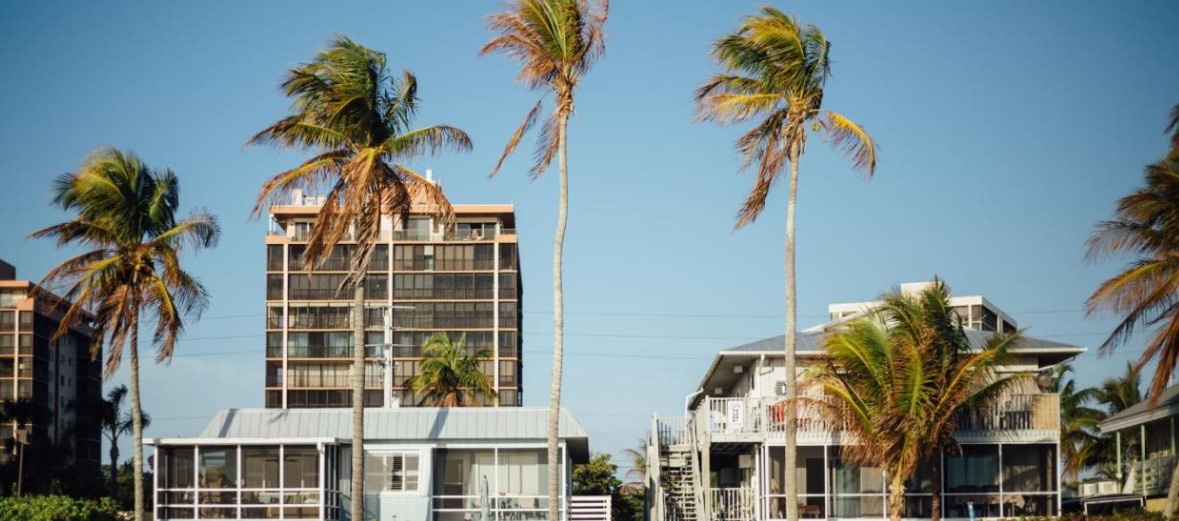
Building near the coast sounds like a dream. Beautiful ocean views, fresh sea air, and easy beach access make coastal properties highly desirable. However, constructing buildings close to the shoreline also comes with unique challenges that require careful planning.
One of the biggest concerns is salt exposure. Salt carried by sea air can slowly damage building materials over time. Steel components may corrode faster, while concrete can weaken if not properly protected. That’s why builders often choose corrosion-resistant materials and protective coatings for coastal projects.
Humidity is another important factor. Coastal environments typically experience higher moisture levels throughout the year. Without proper ventilation and waterproofing, buildings may develop mold, mildew, and structural problems. Good design helps improve airflow while reducing moisture buildup inside the property.
Strong winds also need special attention. Many coastal regions experience powerful seasonal winds or even tropical storms. Roof structures, windows, and exterior walls should be designed to withstand these conditions. Strong connections between structural elements help improve overall building stability.
Foundation design is equally important. Not all coastal land provides the same soil conditions. Sandy soil often behaves differently from rocky ground, meaning engineers must carefully assess the site before construction begins. A proper foundation helps prevent future settlement and structural movement.
Drainage should never be overlooked. Heavy rainfall combined with coastal terrain can create flooding risks if water is not properly managed. Effective drainage systems help protect both the building and surrounding landscape from erosion and water damage.
Material selection also makes a significant difference. Builders commonly choose stainless steel hardware, treated timber, marine-grade fasteners, durable roofing systems, and weather-resistant finishes for coastal developments. Although these materials may have higher initial costs, they often reduce maintenance expenses over the building’s lifetime.
Energy efficiency can also be incorporated into coastal homes. Large windows for natural lighting, shaded outdoor areas, and cross ventilation help reduce energy consumption while creating comfortable living spaces.
Perhaps the most important consideration is working with experienced construction professionals who understand coastal environments. Every location has different climate conditions, local regulations, and engineering requirements. Expert planning helps avoid costly mistakes during construction and throughout the building’s lifespan.
For property investors, especially those developing coastal villas or resorts in destinations like Lombok, quality construction directly impacts long-term property value.
A well-designed coastal building not only looks beautiful but also performs reliably for decades despite constant exposure to challenging environmental conditions.
With thoughtful planning, proper engineering, and durable materials, building near the coast can become a smart long-term investment that combines outstanding lifestyle benefits with lasting structural performance.