
Tuesday, 23 June 2026
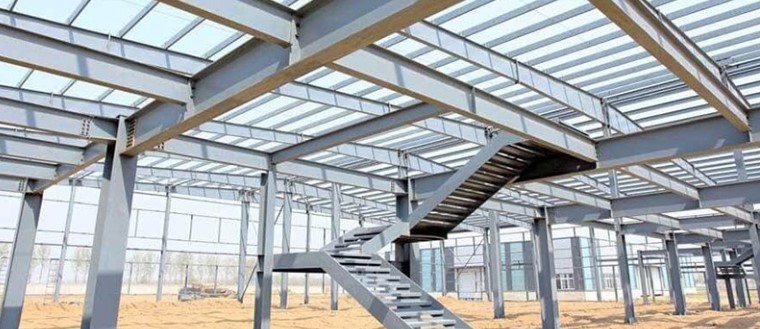
Steel has become one of the most important materials in modern construction. From residential homes to skyscrapers, bridges, warehouses, and industrial facilities, steel beams provide the strength needed to support large structures safely and efficiently.
But not all steel beams are the same. Each type is designed for specific applications depending on the building’s structural requirements.
One of the most common types is theI-Beam, named after its distinctive “I” shape. This beam offers excellent strength while using relatively less material, making it ideal for floors, bridges, and large commercial buildings.
Another popular option is the H-Beam. Although similar in appearance, H-beams have wider flanges and thicker sections than I-beams. This allows them to carry heavier loads, making them suitable for high-rise buildings, factories, and major infrastructure projects.
The Wide Flange Beam, often called a W-Beam, is commonly used in commercial and industrial construction. Its balanced design provides excellent load distribution while remaining highly durable.
Builders also frequently use Channel Beams, which have a “C” shaped profile. These beams are often installed in wall framing, roof supports, equipment platforms, and secondary structural components.
For projects requiring lighter structural support, Angle Beams are another practical solution. Their L-shaped design makes them useful for bracing, framing, shelving systems, and smaller construction applications.
Steel beams offer several important advantages over traditional materials.
First, they provide exceptional strength. Steel can support heavy loads while maintaining relatively slim structural profiles, allowing architects greater design flexibility.
Second, steel is highly durable. It resists pests, does not warp like timber, and performs well under heavy use when properly protected against corrosion.
Third, steel speeds up construction. Many structural components are fabricated off-site and delivered ready for installation, reducing overall project timelines.
Steel is also considered a sustainable building material. Many steel products contain recycled content and can themselves be recycled at the end of a building’s life, supporting environmentally responsible construction practices.
Choosing the right beam depends on several factors, including building size, expected loads, architectural design, and local environmental conditions. Structural engineers carefully calculate these requirements before selecting the most appropriate beam type.
For coastal developments like those found in Lombok, corrosion protection becomes especially important. Protective coatings, galvanization, or specialized steel grades help improve durability in environments exposed to salt air and humidity.
Ultimately, steel beams form the backbone of countless modern buildings. Understanding their different types and applications helps developers, investors, and property owners appreciate the engineering that keeps structures safe, efficient, and built to last.
Whether constructing homes, hotels, offices, or industrial facilities, selecting the appropriate steel beam is a key step toward creating strong and reliable buildings for the future.