
Friday, 03 July 2026
When people think about a strong building, they usually picture thick walls, steel beams, or heavy machinery. But one of the biggest secrets behind durable construction is actually the type of cement used to make the concrete.
Choosing the right cement isn’t just about buying the most expensive bag at the hardware store. Different construction projects need different types of cement, and using the correct one helps create concrete that lasts for decades.
The most common choice for residential and commercial buildings is Ordinary Portland Cement (OPC). This cement is popular because it offers excellent strength, durability, and consistent performance. It’s suitable for foundations, columns, beams, floors, and many other structural components. If you’re building a house or an office, there’s a good chance OPC is being used.
Another excellent option is Portland Composite Cement (PCC). This type contains additional materials such as fly ash or slag, making it more environmentally friendly while still providing impressive strength. PCC also generates less heat during curing, which helps reduce the risk of cracks in large concrete structures. That’s why many modern construction projects choose PCC for long-lasting performance.
For projects that need extra strength in a shorter time, Rapid Hardening Cement can be a smart choice. As its name suggests, it develops strength much faster than ordinary cement. This makes it ideal for road repairs, precast concrete, and projects with tight construction schedules.
Some buildings are exposed to harsh environments, especially near the sea or in areas with aggressive soil conditions. In these situations, Sulphate Resistant Cement becomes the better option. It is specially designed to resist sulphate attacks that can slowly weaken ordinary concrete over time.
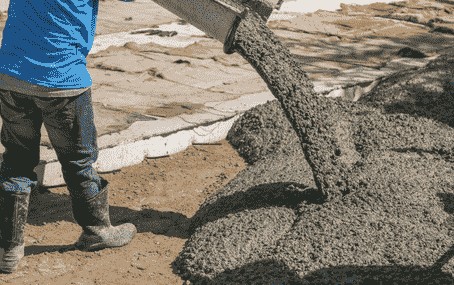
Of course, even the best cement cannot produce high-quality concrete by itself. The final result also depends on several other factors. The quality of the sand and gravel, the amount of water used, proper mixing, and correct curing all play equally important roles. Too much water, for example, may make concrete easier to pour, but it also reduces its final strength.
Professional builders usually select cement based on the specific needs of the project instead of relying on a single product for everything. A residential house, a bridge, a warehouse, and a coastal structure all have different performance requirements. That’s why understanding the project comes before choosing the cement.
Another factor worth considering is certification and quality standards. Reputable cement manufacturers produce cement that meets national or international standards, ensuring consistent quality from one batch to another. Buying certified products helps reduce the risk of weak concrete caused by poor manufacturing.
At the end of the day, high-quality concrete is the result of making smart choices from the very beginning. Selecting the right type of cement is one of the most important decisions in the entire construction process.
Whether it’s OPC for everyday structural work, PCC for improved durability, Rapid Hardening Cement for fast-track projects, or Sulphate Resistant Cement for challenging environments, matching the cement to the job helps create stronger, safer, and longer-lasting buildings that can stand the test of time.