
Monday, 20 July 2026
When people think about a drainage system, they usually imagine pipes carrying wastewater away from a building. But in reality, a reliable drainage system is much more than just pipes. There are many supporting components working together behind the scenes to keep water flowing smoothly, prevent leaks, reduce noise, and extend the lifespan of the entire plumbing network.
Whether you’re building a house, a villa, an apartment, or a commercial property, paying attention to these supporting components is just as important as choosing the right drainage pipes.
Here are some of the key drainage components that deserve your attention.
1.Pipe Fittings
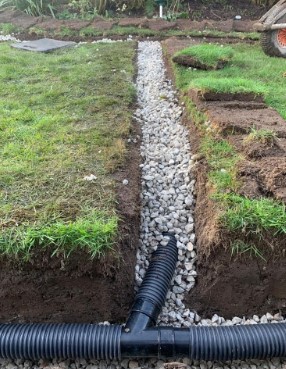
Pipe fittings are the connectors that join different sections of the drainage system. These include elbows, tees, reducers, couplings, and Y-branches.
Each fitting has a specific purpose. Elbows change the direction of water flow, while tees and Y-branches connect multiple pipelines. Choosing the correct fitting helps wastewater move efficiently without creating unnecessary resistance or blockages.
Modern PVC drainage systems also offer low-noise fittings designed to reduce turbulence inside the pipes, making buildings much quieter.
2.Pipe Clamps and Supports
Even the strongest PVC pipe won’t perform well if it isn’t properly supported.
Pipe clamps keep drainage pipes firmly in place and prevent them from moving due to water pressure, temperature changes, or building vibrations. Good support also reduces stress on pipe joints, minimizing the risk of leaks over time.
For taller buildings, proper spacing between supports becomes even more important to maintain the system’s stability.
3.P-Traps
A P-trap is one of the most overlooked components in a drainage system.
Installed beneath sinks, floor drains, and other plumbing fixtures, a P-trap holds a small amount of water that acts as a seal. This water barrier prevents unpleasant sewer gases from entering indoor spaces while still allowing wastewater to flow away.
Without a functioning P-trap, buildings can quickly develop unpleasant odors.
4.Floor Drains
Floor drains protect areas such as bathrooms, balconies, kitchens, laundry rooms, and garages from standing water.
A quality floor drain removes wastewater efficiently while preventing debris from entering the drainage system. Many modern floor drains also include strainers that catch hair and other solid waste before they reach the pipes.
Regular cleaning keeps these drains working effectively.
5.Expansion Accessories
Buildings naturally expand and contract due to temperature changes. That’s why expansion accessories, sealing rings, and flexible couplings are important.
These components absorb movement within the drainage system and help maintain leak-free connections even after years of use.
Ignoring expansion can place unnecessary stress on pipe joints.
6.Fire Protection Components
For high-rise buildings, drainage systems often include fire-stop accessories such as fire rings.
These components help slow the spread of fire through pipe openings that pass between floors, improving overall building safety while complying with construction regulations.
7.Low-Noise Technology
Comfort matters, especially in hotels, apartments, hospitals, and office buildings.
Advanced PVC drainage systems now feature double-layer pipe designs, smooth interior walls, and specially engineered low-noise fittings that reduce water flow noise significantly. Some systems can lower noise levels to around 18 dB while also reducing water flow resistance by approximately 30% compared to traditional cast iron systems.
A drainage system is only as strong as its supporting components. While pipes carry wastewater, fittings, clamps, traps, floor drains, sealing accessories, fire protection devices, and low-noise technologies all play critical roles in ensuring long-term performance.
Investing in high-quality drainage components today means fewer repairs, quieter buildings, better hygiene, and a plumbing system that can serve reliably for many years.