
Monday, 20 July 2026
Building a greenhouse is one of the best ways to protect plants while creating the perfect growing environment all year round. But before planting vegetables, herbs, or flowers, there’s one important decision to make: choosing the right greenhouse materials.
The materials you select will affect durability, insulation, light transmission, maintenance, and even your gardening success. Here’s a simple guide to help you choose the best option.
Start with a Strong Frame
A greenhouse is only as strong as its frame.
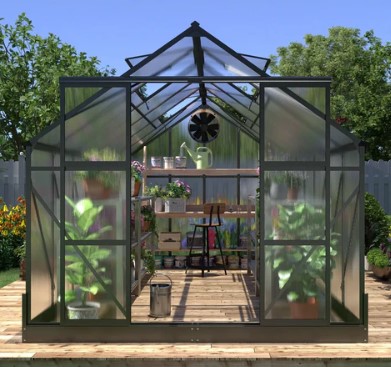
Aluminum is one of the most popular choices because it’s lightweight, rust-resistant, and requires very little maintenance. It’s perfect for humid climates where corrosion can become a problem.
Steel frames offer excellent strength and can support larger greenhouse structures. However, they usually require protective coatings to prevent rust over time. For smaller hobby greenhouses, aluminum often provides the best balance between durability and convenience.
Choose the Right Glazing Material
The covering of your greenhouse plays a huge role in how much sunlight reaches your plants.
Glass provides outstanding clarity and allows maximum light transmission. It’s durable and looks attractive, but it’s also heavier and more expensive than other options.
Polycarbonate panels have become increasingly popular because they’re lightweight, impact-resistant, and provide excellent insulation. Twin-wall polycarbonate also helps maintain more stable temperatures throughout the day.
Polyethylene film is the most affordable option and works well for temporary or seasonal greenhouses. However, it usually needs replacing after several years. Each material has its own advantages depending on your budget and gardening goals.
Think About Ventilation
Good airflow is just as important as sunlight.
Roof vents, side windows, and automatic vent openers help control temperature and humidity inside the greenhouse. Proper ventilation prevents overheating during summer while reducing the risk of mold and plant diseases.
If your greenhouse gets plenty of direct sunlight, installing roof vents is highly recommended.
Don’t Forget the Foundation
A solid foundation keeps the greenhouse level and stable.
Concrete slabs provide excellent durability and are ideal for permanent greenhouses. Gravel foundations offer good drainage, while timber bases can work well for smaller backyard projects.
Choosing the right foundation also helps protect the frame from shifting over time.
Doors and Shelving Matter Too
Wide doors improve accessibility when carrying pots, soil, or gardening equipment.
Inside the greenhouse, sturdy shelving helps maximize growing space while keeping plants organized. Aluminum shelves are lightweight and resistant to moisture, making them a practical choice.
Consider Your Local Climate
Climate should always influence your material choices. If you live in a windy area, stronger frames and thicker glazing materials are essential. In colder regions, insulated polycarbonate panels help retain heat more efficiently. Meanwhile, gardeners in tropical climates should prioritize excellent ventilation to avoid excessive heat buildup.
Choosing materials that match your environment will improve both plant health and the greenhouse’s lifespan.
The best greenhouse isn’t always the most expensive one—it’s the one built with materials that suit your climate, budget, and gardening needs. A durable frame, quality glazing, proper ventilation, and a stable foundation all work together to create the perfect environment for healthy plants.
By investing in the right materials from the beginning, you’ll enjoy a greenhouse that provides reliable growing conditions and productive harvests for many years to come.