
Tuesday, 21 July 2026
If you live in a tropical country like Indonesia, you’ve probably wondered whether wallpaper is actually a good idea. After all, tropical weather means high humidity, warm temperatures, and lots of moisture, conditions that don’t exactly sound wallpaper-friendly.
The good news? Yes, wallpaper can absolutely work in tropical climates. You just need to choose the right materials and install them properly.
Choose the Right Wallpaper
Not every wallpaper is designed for humid environments. Some materials absorb moisture easily, while others are specifically made to resist it.
Vinyl-coated wallpaper is one of the best choices because its protective surface helps repel moisture and makes cleaning much easier. Another excellent option is non-woven wallpaper. It’s breathable, moisture-resistant, and less likely to trap humidity behind the wall, reducing the risk of mold.
Humidity Doesn’t Mean Disaster
Many people assume wallpaper will immediately peel off in tropical weather. That’s not entirely true.
Problems usually happen when excessive moisture weakens the adhesive or when damp walls trap water behind the wallpaper. This can eventually lead to bubbling, peeling, or mold growth.
Fortunately, these issues are mostly preventable with good preparation.
Prepare the Wall Properly
Before installing wallpaper, make sure the wall is completely clean and dry. Any existing mold should be removed first, and damaged surfaces should be repaired.
Experts also recommend checking wall moisture levels before installation. If the wall is too damp, it’s better to solve the moisture problem first rather than covering it with wallpaper.
Good Ventilation Is Essential
Even the best wallpaper won’t perform well if the room has poor airflow.
Rooms with proper ventilation, open windows, or air conditioning maintain lower humidity, helping wallpaper last much longer. Keeping furniture slightly away from wallpapered walls also allows air to circulate and reduces moisture buildup.
Consider Peel-and-Stick Carefully
Peel-and-stick wallpaper has become very popular because it’s easy to install and remove.
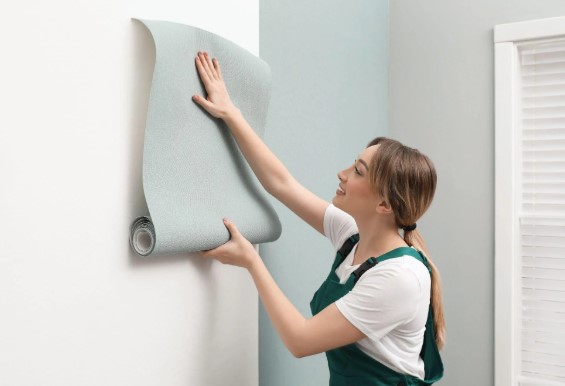
However, in tropical climates, experts recommend using high-quality peel-and-stick products with non-woven backing. They’re best suited for air-conditioned or well-ventilated rooms because their adhesive is generally weaker than traditional wallpaper paste.
Let Wallpaper Adjust to the Room
One often-overlooked tip is allowing wallpaper rolls to acclimate before installation.
Leaving the wallpaper in the room for about 24 to 48 hours helps it adjust to the local temperature and humidity, reducing the chance of shrinking or expanding after installation. Consistent room temperature during the drying process is equally important for achieving a long-lasting finish.
Regular Maintenance Helps
Wallpaper in tropical homes doesn’t require complicated care. Simply keep the walls clean, wipe away condensation when needed, ensure plenty of airflow, and avoid allowing moisture to build up. These simple habits go a long way in preventing mold and extending the wallpaper’s lifespan.
So, is it possible to use wallpaper in tropical climates? Absolutely.
With moisture-resistant materials like vinyl-coated or non-woven wallpaper, proper wall preparation, good ventilation, and consistent indoor conditions, wallpaper can remain beautiful for years, even in warm and humid regions like Lombok or the rest of Indonesia.
Instead of avoiding wallpaper altogether, focus on choosing the right product and following the correct installation process. When done properly, wallpaper can become a stylish and durable addition to any tropical home.