
Thursday, 30 July 2026
Retaining walls might not be the first thing people notice in a landscape or construction project, but they’re one of the most important structural elements. A well-built retaining wall helps prevent soil erosion, supports sloped land, improves drainage, and even enhances the appearance of outdoor spaces.
The key to building a strong and long-lasting retaining wall is choosing the right material. Every option has its own advantages, and the best choice depends on your project’s size, budget, design, and environmental conditions.
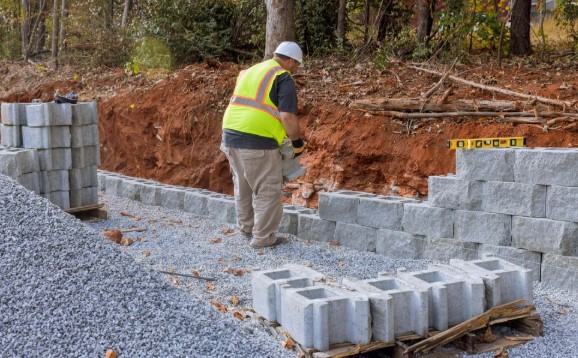
One of the most popular retaining wall materials is concrete blocks. These blocks are specifically designed for retaining walls and are known for their strength, durability, and ease of installation. Many modern concrete blocks feature interlocking systems that make construction faster while providing excellent structural stability.
Natural stone is another favorite, especially for projects that prioritize aesthetics. Stone retaining walls blend beautifully with gardens and natural landscapes while offering exceptional durability. Although installation can take more time and often costs more, the finished result creates a timeless and premium appearance.
For homeowners looking for a more affordable solution, treated timber can be a practical option. Wooden retaining walls are relatively easy to install and work well in smaller residential landscaping projects. However, even pressure-treated wood has a shorter lifespan than concrete or stone, especially in areas with high moisture.
Poured concrete is another excellent choice for larger engineering projects. It provides outstanding strength and allows builders to create custom shapes and designs. This material is commonly used for commercial buildings, highways, and large infrastructure developments where maximum structural performance is required.
Brick retaining walls offer a classic and elegant look that complements traditional architecture. While attractive, bricks generally require proper reinforcement and professional installation to handle soil pressure effectively.
Gabion walls have also become increasingly popular in recent years. These structures consist of wire mesh baskets filled with rocks or stones. Gabions provide excellent drainage, reduce erosion, and create a distinctive modern industrial appearance. They’re especially useful in environmentally sensitive areas because they allow water to flow naturally through the structure.
When choosing retaining wall materials, drainage should never be overlooked. Even the strongest wall can fail if water builds up behind it. Proper drainage systems, including gravel backfill, drainage pipes, and filter fabric, help reduce hydrostatic pressure and extend the wall’s lifespan.
Maintenance is another factor worth considering. Concrete and natural stone generally require minimal maintenance over many years, while timber may need periodic inspections, repairs, or replacement due to weather exposure and insect damage.
Budget naturally plays a role as well. Timber often has the lowest initial cost, while natural stone tends to be the most expensive. Concrete blocks frequently provide an excellent balance between affordability, durability, and appearance, making them a popular choice for many residential and commercial projects.
The surrounding environment should also influence your decision. Coastal locations, heavy rainfall, steep slopes, and varying soil conditions all affect how a retaining wall performs over time. Choosing materials that suit the local climate can significantly improve durability and reduce future maintenance costs.
Ultimately, there’s no single “best” retaining wall material for every project. Concrete blocks offer excellent versatility, natural stone delivers unmatched beauty, poured concrete provides maximum strength, timber offers affordability, and gabions combine functionality with sustainability.
Before starting any retaining wall project, carefully evaluate your site’s conditions, design goals, and long-term maintenance needs. By selecting the right material from the beginning, you’ll create a retaining wall that not only protects your landscape but also adds lasting value and visual appeal for years to come.