
Wednesday, 29 July 2026
Modern office buildings are changing fast. Companies today want workspaces that are stylish, durable, flexible, and quick to build. That’s why steel structures have become one of the most popular construction solutions for office buildings around the world.
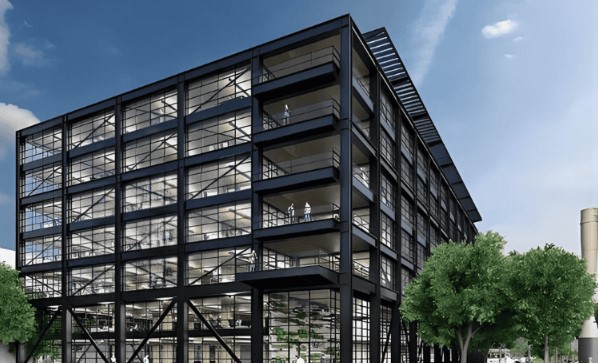
Unlike traditional concrete buildings, steel-framed offices offer greater design freedom while maintaining exceptional structural strength. Whether it’s a corporate headquarters, coworking space, or commercial office complex, steel provides the flexibility needed for modern architecture.
Why Steel Is Used in Office Buildings
Steel has an impressive strength-to-weight ratio, allowing engineers to create taller buildings without making the structure excessively heavy. Since steel components are manufactured in factories before arriving on-site, construction becomes faster and more efficient.
This prefabrication process also improves quality control because every beam and column is produced according to precise engineering standards. As a result, projects experience fewer delays and less material waste.
Main Steel Components in Office Buildings
Several types of steel components work together to create a safe and stable office structure.
Steel Columns serve as the building’s primary vertical support, transferring loads from the upper floors down to the foundation. Steel Beams connect the columns and support floors, ceilings, and roofs while distributing structural loads evenly.
Steel Trusses are commonly used for roof systems, allowing architects to design large open spaces without requiring many interior columns. Steel Bracing Systems improve stability by helping buildings resist wind forces and seismic activity, making them especially valuable in earthquake-prone regions.
Benefits of Steel Office Buildings
One of the biggest advantages of steel construction is design flexibility. Architects can create open-plan offices with fewer support columns, giving businesses more freedom to organize workspaces.
Steel is also highly durable. When properly protected against corrosion, steel structures can last for decades with minimal maintenance.
Another important advantage is speed. Since most structural components are prefabricated, installation on-site can be completed much faster than conventional construction methods. This helps developers reduce labor costs and finish projects sooner.
Steel is also recyclable, making it a more environmentally friendly building material. Many steel components can be reused or recycled at the end of a building’s life cycle, reducing construction waste.
Design Considerations
Designing a steel office building requires careful planning. Engineers must calculate structural loads, wind pressure, earthquake resistance, and the intended use of each floor.
Fire protection is another key consideration. Steel itself doesn’t burn, but it can lose strength when exposed to extreme temperatures. That’s why modern office buildings often use fire-resistant coatings or protective cladding.
Corrosion protection is equally important, especially in coastal or humid environments. Galvanizing and protective paint systems help extend the lifespan of steel structures significantly.
Steel structure office buildings combine strength, efficiency, and modern design in one solution. Their fast construction process, flexible layouts, and long-term durability make them an excellent choice for businesses looking to invest in high-quality commercial spaces.
As sustainable construction continues to grow in popularity, steel will remain one of the leading materials for creating office buildings that are both practical and future-ready.