
Wednesday, 12 August 2026
When people think about drainage systems, they usually focus on gutters, channels, or underground pipes. But one of the most important parts of a reliable drainage network is the pipe itself. Choosing the right material can make a huge difference in durability, maintenance costs, and long-term performance.
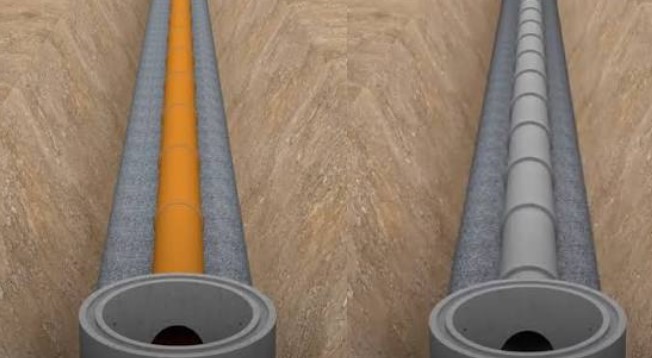
Among the many options available today, concrete culvert pipes have become a favorite for roads, residential developments, industrial projects, and agricultural drainage. While plastic and metal pipes are still widely used, concrete culverts offer several advantages that make them a smarter investment for many projects.
Built to Last for Decades
One of the biggest reasons engineers choose concrete culvert pipes is their incredible lifespan. High-quality concrete pipes can last 50 to 100 years with minimal maintenance when installed correctly.
Unlike plastic pipes that may deform under heavy loads or metal pipes that can corrode over time, concrete remains stable even in challenging environments. This makes it an excellent option for drainage systems buried beneath roads, parking lots, or heavy industrial areas.
In short, concrete is designed for projects that need long-term reliability rather than frequent replacements.
Superior Strength Under Heavy Loads
Drainage pipes often sit beneath areas with constant traffic, including cars, trucks, and construction vehicles. Conventional plastic pipes may require additional reinforcement to handle these loads, especially in deep installations.
Concrete culvert pipes naturally provide exceptional compressive strength. Their rigid structure helps distribute pressure evenly, reducing the risk of collapse or deformation. This makes them ideal for highways, bridges, airports, and large commercial developments where structural stability is essential.
Better Resistance to Weather and Water
Drainage systems operate in constantly changing conditions. Heavy rainfall, flooding, heat, and groundwater can all affect pipe performance.
Concrete pipes perform exceptionally well because they are resistant to UV exposure, temperature fluctuations, and water pressure. They also maintain their shape during seasonal changes, making them a dependable solution in tropical climates where intense rain is common. For regions that experience frequent storms, this durability becomes a major advantage.
Lower Maintenance Costs
Although concrete culvert pipes may have a higher initial cost than some conventional alternatives, they often save money over the long run.
Their strength means fewer repairs, fewer replacements, and less disruption to infrastructure. Municipalities and developers often prefer concrete because maintenance crews spend less time dealing with damaged drainage lines.
When calculating the total lifecycle cost instead of just the purchase price, concrete frequently becomes the more economical choice.
Environmentally Friendly Choice
Sustainability is becoming increasingly important in construction. Concrete culvert pipes contribute by offering a long service life and requiring fewer replacements throughout their lifespan.
Many concrete products also incorporate recycled materials during manufacturing, reducing waste while maintaining structural performance. Since the pipes last for decades, fewer resources are consumed for future repairs or replacements.
When Should You Choose Concrete Culverts?
Concrete culvert pipes are especially suitable for:
-Road and highway drainage
-Residential housing developments
-Industrial estates
-Agricultural irrigation channels
-Flood control infrastructure
For lightweight landscaping or temporary drainage, plastic pipes may still be practical. However, for permanent infrastructure, concrete usually delivers better value.
A drainage system is only as strong as the pipes hidden beneath the ground. While conventional materials have their place, concrete culvert pipes stand out because of their durability, load-bearing capacity, weather resistance, and low maintenance needs.
If you’re planning a drainage project that needs to perform reliably for decades, investing in concrete culverts is often the smartest decision. They may not be the most visible part of a construction project, but they’re certainly one of the most important.