
Thursday, 13 August 2026
When it comes to building or renovating a house, getting a neat finish is just as important as making sure the structure is strong. A wall can be structurally sound, but if the surface looks uneven, cracked, or rough, the whole building can feel unfinished. This is where premixed cement, also known as ready-mix mortar or instant cement, can make the job much easier.
Unlike traditional cement mixtures that require workers to measure cement and sand manually, premixed cement is already formulated with the right ingredients. Usually, you only need to add water according to the manufacturer’s instructions. This makes the mixture more consistent and helps reduce mistakes during application.
Start with a Clean Surface
One of the simplest ways to achieve a neat finish is to prepare the surface properly. Before applying premixed cement, make sure the wall is free from dust, dirt, oil, loose particles, and other materials that could affect adhesion.
A clean surface allows the cement to stick properly. If the wall is extremely dry, slightly moistening it can also help prevent the surface from absorbing water from the mortar too quickly.
Follow the Water Ratio
It may be tempting to add extra water because a thinner mixture feels easier to spread. However, this can actually affect the final result.
Always follow the water-to-mortar ratio recommended on the product packaging. A mixture that is too watery can become difficult to control and may result in a weaker or uneven finish. On the other hand, a mixture that is too dry can be difficult to spread and may not bond properly.
The right consistency should be smooth, workable, and easy to apply without becoming runny.
Use the Right Tools
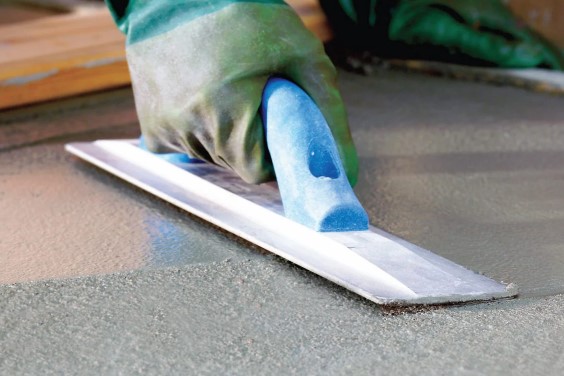
Good materials work best when combined with the right tools. For wall finishing, a clean trowel or suitable finishing float can help distribute the mortar evenly.
Apply the material with consistent pressure. Avoid repeatedly scraping the same area because excessive movement can make the surface uneven. Taking your time during this stage can make a big difference to the final appearance.
Work in Manageable Sections
Don’t try to finish an entire wall at once, especially if you’re working on a large project. Divide the surface into manageable sections.
Working systematically makes it easier to maintain the same thickness and texture across the wall. It also gives workers better control over the drying process.
Premixed cement is designed to make construction work more practical and consistent, but good application technique is still important. A quality product cannot completely compensate for careless workmanship.
Don’t Rush the Drying Process
Another important tip is to give the cement enough time to dry and cure. Avoid forcing the surface to dry too quickly with excessive heat or direct sunlight.
Natural and controlled drying helps the material develop properly and reduces the risk of cracks or other surface problems.
Check the Surface Before Painting
Once the cement has dried properly, inspect the wall under good lighting. Look for small holes, uneven areas, cracks, or rough patches. Fix these imperfections before moving on to painting or other decorative finishes.
Premixed cement can simplify construction while helping create a cleaner and more consistent surface. With proper preparation, accurate mixing, suitable tools, and careful application, you can achieve a professional-looking finish without making the process unnecessarily complicated.
In the end, a neat building finish is not just about the material. It’s about combining a good product with good technique and a little patience.