
Wednesday, 16 September 2026
When building or renovating a house, choosing the right flooring is an important decision. The floor needs to look good, but it also has to handle daily activities, furniture, dirt, and moisture. One popular option is ceramic floor tiles. They are widely used in homes and other buildings because they are practical, durable, and available in many designs.
Before choosing ceramic tiles, it is useful to understand their advantages, disadvantages, and basic installation process.
What Are Ceramic Floor Tiles?
Ceramic tiles are made mainly from clay and other natural materials. The materials are shaped and then heated at high temperatures to create a hard surface. They can come in many colors, patterns, sizes, and finishes, so homeowners can easily find an option that matches their interior design.
Ceramic tiles are commonly used in living rooms, bedrooms, kitchens, bathrooms, and other areas. Their versatility is one reason they remain popular in construction and renovation projects.
The Pros of Ceramic Floor Tiles
One of the biggest advantages of ceramic flooring is durability. When properly installed and maintained, ceramic tiles can handle regular foot traffic for many years.
They are also relatively easy to clean. Dust and dirt can usually be removed with regular sweeping and mopping. Unlike some flooring materials, ceramic tiles do not require complicated maintenance.
Another benefit is the huge range of designs. Ceramic tiles can have simple colors, decorative patterns, or surfaces that imitate materials such as wood and stone. This gives homeowners plenty of freedom when designing a room.
Ceramic tiles can also work well in areas where moisture is common, depending on the tile type and installation. This makes them a practical choice for kitchens and bathrooms.
The Cons to Consider
Ceramic flooring also has some disadvantages. The surface can feel hard and cold, especially when you walk on it without shoes. This may not be a problem in warm climates, but it can feel less comfortable in cooler conditions.
Ceramic tiles can also crack if they receive a strong impact or if the underlying surface is not properly prepared. Replacing a damaged tile can take some time because the broken piece needs to be removed and a new one installed.
Another thing to consider is installation. While the tiles themselves may be affordable, professional installation can add to the total construction cost.
Basic Ceramic Tile Installation Guide
Installing ceramic floor tiles starts with preparing the surface. The floor should be clean, dry, flat, and stable. Any major cracks or uneven areas should be fixed before the tiles are installed.
Next, the layout should be planned carefully. This helps make sure the tiles are positioned properly and avoids awkward cuts around walls or corners.
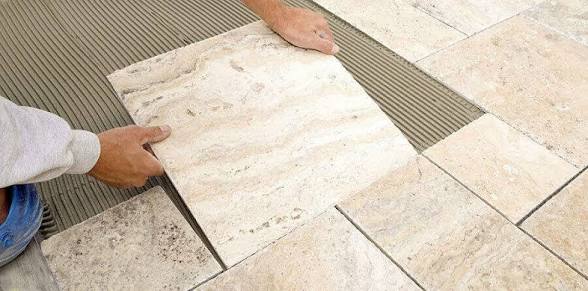
Tile adhesive or mortar is then applied to the prepared surface. The ceramic tiles are placed on top and pressed into position. Tile spacers can be used to maintain consistent gaps between tiles.
After the adhesive has set, grout is applied to fill the spaces between the tiles. Excess grout should be cleaned from the tile surface before it fully dries.
Finally, the finished floor should be allowed to cure properly before heavy use.
Overall, ceramic floor tiles can be a practical choice for construction and renovation projects. With the right tile, proper surface preparation, and careful installation, they can provide a durable and attractive floor for years.