
Wednesday, 16 September 2026
Earthquakes can happen without much warning, which is why building design plays an important role in protecting people and property. Engineers around the world have developed different construction techniques to help buildings handle strong ground movement.
Earthquake-resistant construction does not mean a building can never be damaged. Instead, the goal is to make a structure flexible, strong, and better able to absorb or manage seismic forces. Here are five interesting examples of earthquake-resistant structures and construction approaches from around the world.
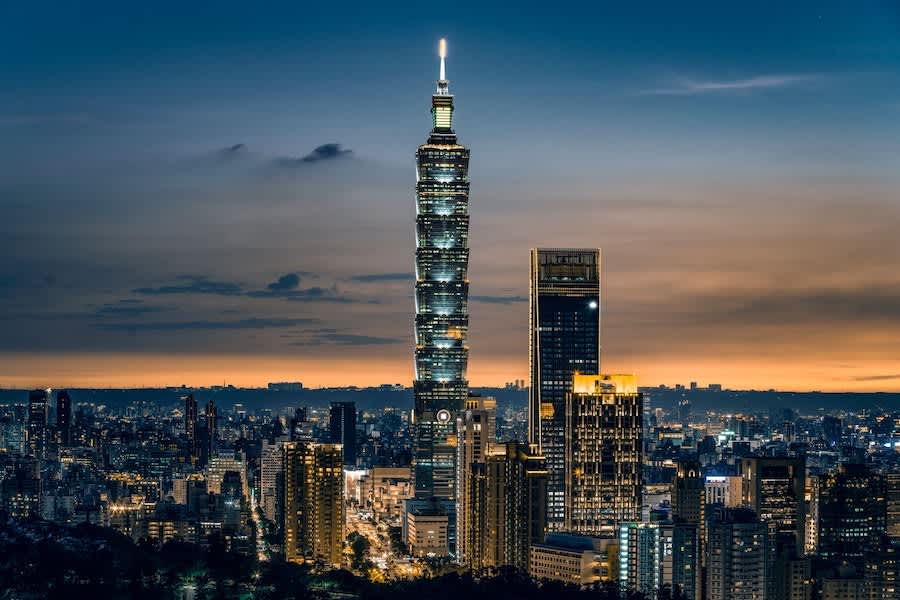
Taipei 101 – Taiwan
Taipei 101 is one of the world’s most famous examples of a tall building designed to deal with strong winds and earthquakes. One of its most recognizable features is a massive tuned mass damper located inside the building.
The damper works like a large pendulum. When the building moves, the system moves in the opposite direction to help reduce some of that movement. This technology helps improve the building’s stability during strong winds and seismic activity.
Tokyo Skytree – Japan
Japan has extensive experience with earthquake-resistant construction because the country experiences frequent earthquakes. Tokyo Skytree uses several technologies designed to reduce the effects of seismic movement.
Its structure incorporates a central reinforced concrete column and systems that help separate and control movement between different parts of the tower. The design allows the tower to move while helping maintain structural stability.
Transamerica Pyramid – United States
Located in San Francisco, the Transamerica Pyramid was designed with earthquake activity in mind. The building uses a reinforced concrete and steel structural system, while its pyramid shape provides a strong and stable form.
San Francisco is located near major faults, making earthquake-resistant construction particularly important. The building’s foundation and structural design were developed to help it withstand seismic forces.
Torre Mayor – Mexico
Mexico City has experienced major earthquakes, including the devastating 1985 earthquake. Torre Mayor was designed with advanced earthquake-resistant technology and has become an example of modern seismic engineering in the city.
The building uses structural systems that allow it to move during an earthquake while reducing the risk of catastrophic structural failure. Its design shows how engineers can combine strength and controlled flexibility.
Base-Isolated Buildings
Base isolation is another important earthquake-resistant construction technique. Instead of connecting a building directly to the ground, special isolation devices are placed between the building and its foundation.
These devices help reduce the amount of earthquake movement transferred into the building. The technique is used in different countries, particularly in areas with significant seismic activity.
These examples show that earthquake-resistant construction can take many forms. Some buildings use dampers, some rely on flexible structural systems, while others use base isolation to reduce ground movement.
The main idea is simple: buildings need to be designed with movement in mind. Engineers study how structures respond to seismic forces and use different technologies to improve their performance.
As cities continue to grow in earthquake-prone regions, these construction approaches can provide valuable lessons. Strong materials are important, but smart engineering and careful structural design are equally essential for creating safer buildings.