
Thursday, 15 October 2026
A modern office should do more than look impressive. It should also help employees feel comfortable, stay focused, and work together more effectively. For large companies with hundreds or even thousands of employees, office design is an important part of creating a productive workplace.
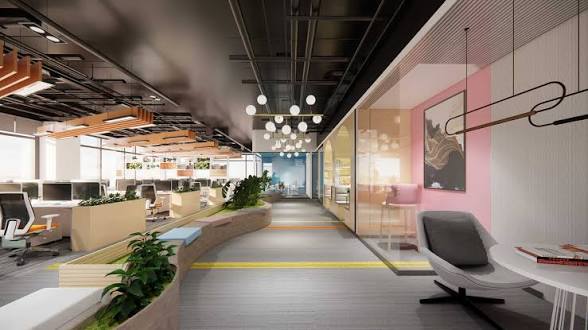
Office design trends in 2026 focus on flexibility, technology, sustainability, and employee well-being. Instead of filling a building with rows of desks, companies are creating workspaces that support different activities and reflect their business identity.
Here are some office design trends worth considering.
Flexible Spaces for Different Activities
Large companies often have teams with different working styles. Some employees need quiet areas to concentrate, while others spend much of their day in meetings or group discussions.
Flexible office layouts can help meet these needs. Movable partitions, modular desks, and multipurpose rooms allow companies to adjust spaces whenever necessary.
For example, a large open area can become a training room, a project discussion space, or a temporary meeting area. This approach also helps companies make better use of their office buildings.
Natural Elements and Green Spaces
Bringing nature into the workplace is another important design trend. Known as biophilic design, this approach uses plants, natural light, greenery, and materials such as wood to create a more comfortable environment.
Large companies can introduce indoor gardens, green walls, or small relaxation areas filled with plants. Offices can also use large windows to bring daylight into workspaces.
These features can make an office feel less formal and more welcoming. However, greenery should be planned carefully to ensure that it does not block walkways or interfere with daily activities.
Smart Technology for Modern Workplaces
Technology is becoming an essential part of office design. Smart lighting, automated temperature controls, meeting room booking systems, and desk reservation applications can make daily operations more convenient.
For large corporations, these features can also help manage office space more efficiently. Sensors may provide information about room occupancy, allowing facility teams to understand how different areas are being used.
Meeting rooms should also support hybrid work. Reliable video conferencing equipment, clear audio, and suitable lighting help employees communicate with colleagues in other offices or countries.
Sustainable Materials and Energy Efficiency
Sustainability is becoming a major consideration when companies design or renovate their offices. Rather than focusing only on appearance, businesses are looking for materials and systems that can last longer and use fewer resources.
Recycled materials, responsibly sourced wood, durable furniture, and energy-efficient lighting are practical options. Companies can also improve insulation and ventilation to support indoor comfort while managing energy consumption.
These choices may require careful planning at the beginning, but they can support long-term operational goals.
Comfortable Furniture and Better Acoustics
An attractive office is not useful if employees feel uncomfortable throughout the day. Ergonomic chairs, adjustable desks, and well-positioned computer screens can support better working habits.
Noise management is equally important. Large open-plan offices can become distracting when many people are talking at once.
Acoustic panels, soundproof booths, carpets, and enclosed meeting rooms can help reduce noise. This allows employees to collaborate when necessary without disturbing colleagues who need to concentrate.
Office Design That Reflects Company Identity
For major corporations, an office can also communicate brand identity. The choice of colors, furniture, artwork, and materials can reflect a company’s values and professional image.
A financial institution may prefer a clean, understated interior, while a technology company might choose a more creative and flexible environment.
Consistency is important, especially when a company operates across multiple buildings or locations.
Build an Office That Works for Everyone
The best office design combines appearance with practical needs. Flexible layouts, natural elements, smart technology, sustainable materials, and comfortable furniture can help create a workplace that supports both employees and business operations.
For large companies, the goal is not simply to follow every trend. It is to build an office that can adapt to changing needs while remaining functional, welcoming, and consistent with the company’s identity.