
Friday, 16 October 2026
When choosing windows for a house or building, the material is one of the most important things to consider. Besides wood and uPVC, aluminum is a popular option for modern buildings. It looks clean, feels lightweight, and can last for many years with proper care. However, before choosing aluminum windows, it is useful to understand the different types of aluminum profiles and how they work.
What Are Aluminum Window Profiles?
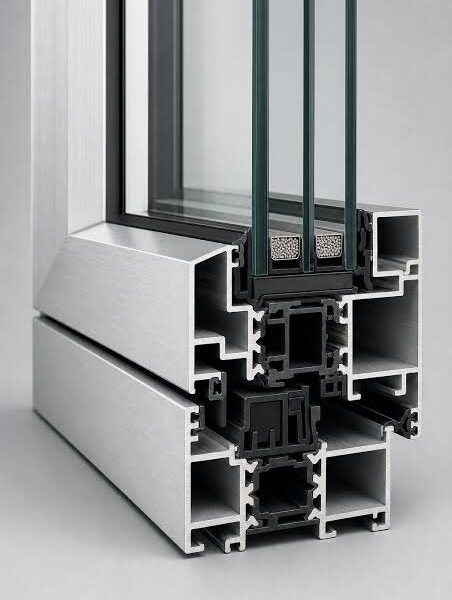
Aluminum window profiles are shaped pieces of aluminum used to build window frames and moving window sections. These profiles support the glass and help keep the window stable. Each profile has a different shape and function, depending on the window design.
Two important parts are the window frame and the window sash, also called the window leaf. The frame is attached to the building wall, while the sash holds the glass and may move when the window is opened or closed.
Both parts need to work together to make the window strong, practical, and comfortable to use.
Types of Aluminum Window Profiles
One common type is the fixed window profile. This profile is used for windows that cannot be opened. It is suitable for rooms that need natural light and outdoor views without requiring ventilation through the window itself.
Another option is the sliding window profile. This system allows the window sash to move horizontally along a track. Sliding windows are practical for rooms with limited space because they do not swing inward or outward.
There are also casement window profiles, which are designed for windows that open outward or inward using hinges. This type can provide good ventilation and is often used in bedrooms, kitchens, and living rooms.
For buildings that need a different opening style, top-hung and bottom-hung profiles may also be considered. These systems allow the sash to open from a particular edge, depending on the design. The best choice depends on the room layout, ventilation needs, and building requirements.
Why Is Aluminum a Popular Choice?
Aluminum has several advantages for residential and commercial buildings. It is relatively lightweight but strong enough to support many window designs. It also resists rust because it forms a protective oxide layer on its surface.
Another advantage is its modern appearance. Aluminum frames can have slim lines, allowing more glass and natural light into a room. They are also available in different finishes and colors to match various architectural styles.
However, aluminum can transfer heat more easily than some other materials. For buildings in hot climates, thermal-break aluminum systems and suitable glazing can help improve indoor comfort.
How to Choose the Right Profile
Before buying aluminum windows, consider the size of the opening, the type of glass, the expected wind load, and the room’s ventilation needs. The quality of the seals, drainage system, and installation also matters because these elements help prevent water leaks and air infiltration.
In the end, choosing aluminum window profiles is not just about appearance. The right combination of frame, sash, glass, and hardware can make a building more comfortable, practical, and attractive for years to come.