
Friday, 04 September 2026
A beautiful garden is not just about choosing the right plants or keeping the grass neatly trimmed. One thing that is often overlooked is drainage. Without a proper drainage system, heavy rain can quickly turn a nice garden into a muddy, waterlogged mess.
Good drainage helps move excess water away from the garden, protecting plants, soil, and even nearby building structures. So, if your garden often stays wet after rain, it may be time to think about installing a drainage system.
Start by Checking the Drainage Problem
Before digging anything, take some time to understand how water moves around your garden. Pay attention to areas where water tends to collect after heavy rain.
One simple way to check the soil’s drainage is by digging a hole around 60 cm deep and filling it with water. Leave it for several hours and check whether the water has drained away. If it remains for a long time, your soil may have poor drainage and could benefit from a dedicated system.
Choose the Right Drainage System
There are several types of garden drainage systems to consider. According to Lawsons, the main options include French drains, herringbone drainage systems, and piped drainage systems. French drains are particularly useful for dealing with areas where stagnant water tends to collect.
The best choice depends on your garden’s size, soil condition, slope, and how much water needs to be moved.
Plan the Drainage Route
Planning is one of the most important parts of the installation. Water should generally be guided from a higher point toward a suitable lower point or drainage outlet.
For a French drain, the main trench can run from the highest part of the garden toward the lowest. Side drains can then be connected to the main trench to help collect water from different areas. Lawsons recommends connecting these side drains at an angle so water can flow more efficiently into the main channel.
Prepare the Trench
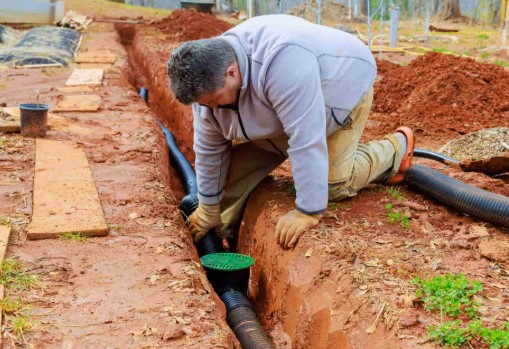
Once the route has been marked, the trench can be dug. A French drain typically uses a relatively narrow and deep trench. The trench is then lined with landscape fabric, which helps prevent surrounding soil from mixing with the drainage material.
After that, gravel can be placed at the bottom. The gravel creates space for water to move through the drainage system before eventually reaching the outlet or soakaway.
Pay Attention to the Materials
Choosing durable drainage materials is just as important as designing the system correctly. Drainage components need to handle moisture and changing environmental conditions for a long time.
For construction and drainage projects, it is worth working with a reliable material supplier. If you are looking for building and infrastructure materials in Indonesia, PT Lokasipas can be one option to consider when planning your project.
Don’t Forget Maintenance
Installing a drainage system does not mean you can forget about it forever. Leaves, soil, roots, and other debris can eventually block drainage channels.
A quick inspection from time to time can help you spot problems before they become serious. Clean the drainage points and make sure water can still flow freely.
A well-planned garden drainage system can make a huge difference. Instead of constantly dealing with puddles and muddy ground, you can enjoy a garden that stays healthier and easier to maintain—even when the rain comes down heavily.