
Tuesday, 06 October 2026
Old walls can give a house plenty of character. Uneven surfaces, small cracks, old plaster, and little imperfections can make a room feel like it has a story. But when those imperfections become too noticeable, repairing the wall can give the room a fresh look without completely replacing its original character.
The good news is that not every old wall needs to be ripped out and rebuilt. In many cases, damaged plaster can simply be repaired and smoothed. This can also be a more budget-friendly option compared with completely replastering the room.
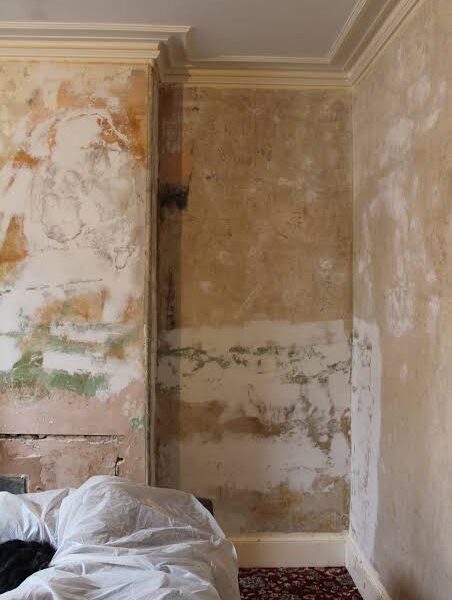
Before starting, take a good look at the condition of the wall. Small holes, cracks, bumps, and poorly repaired sections can often be treated with a suitable plaster skim or repair compound. However, severely damaged or loose plaster may require more extensive work.
One useful material for small and medium repairs is pre-mixed plaster skim. It works somewhat like a stronger and more workable filler, making it suitable for repairing larger areas rather than just filling tiny holes. A wide plastering trowel or large jointing knife is also recommended because it gives you better control over larger surfaces.
The first step is to prepare the surface. If you find flaky or loose plaster, scrape it away carefully. There is little point covering unstable material because the new repair may eventually come away with it.
Next, apply the repair material to the damaged area. One important thing to remember with old walls is that they are not always perfectly straight. Older houses can naturally have gentle curves and uneven surfaces. Trying to make every inch completely flat may actually remove some of the character of the house.
For raised cracks or bulging areas, it can help to spread the skim beyond the damaged section. Instead of creating a noticeable patch, gradually blend the repair into the surrounding wall. A wider and gentler transition is usually less visible once everything has been painted.
When working on bumpy plaster, avoid simply adding more and more material. A better approach can be to fill the recessed areas while removing excess skim from the raised areas. The goal is to create a surface that feels smooth without putting an unnecessarily thick layer over the wall.
Once the repair has dried, light sanding can help remove small imperfections. Try not to overdo it. The idea is to smooth the surface rather than sand away all the repair material.
After that, apply a coat of paint. A first coat can actually help you spot small holes, dips, or areas that still need attention. You can then fill those tiny imperfections before applying the final paint.
There is one important warning, especially with very old homes: the repair material and paint should be suitable for the existing wall. Traditional lime plaster, for example, needs breathable materials. Using an unsuitable product can potentially create moisture problems.
Repairing an old wall takes patience, but it can be worth the effort. Instead of hiding the history of an old house, you can give the wall a cleaner appearance while keeping its original charm.