
Thursday, 17 September 2026
Pipes may not be the most exciting part of a construction project, but they play a very important role. They help move water, gas, and other fluids from one place to another. In many construction and industrial projects, carbon steel pipes and fittings are used because they are strong, practical, and available in many different shapes and sizes.
Carbon steel is an alloy mainly made from iron and carbon. The addition of carbon helps increase the strength of the material. This makes carbon steel suitable for piping systems that need to handle pressure and relatively high temperatures. According to UNIASEN’s guide, carbon steel pipe fittings can be used in systems where temperature and pressure resistance are important.
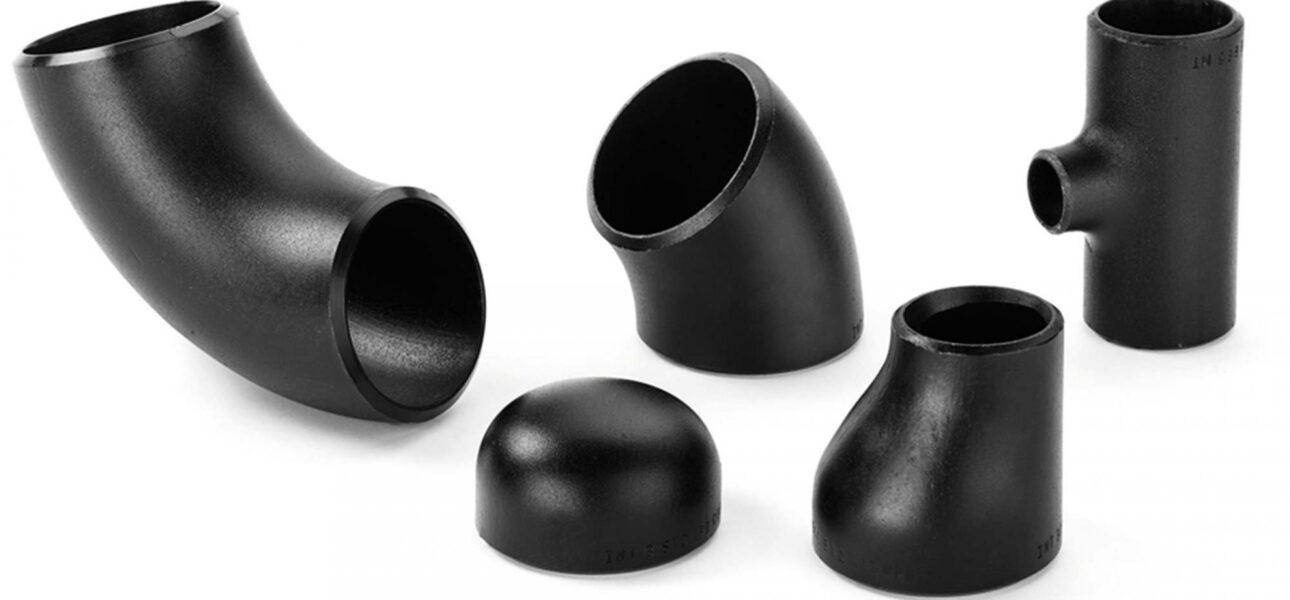
But pipes cannot simply be connected end to end. This is where fittings become important. Carbon steel fittings are components that connect pipes, change their direction, adjust their diameter, or close the end of a pipe.
There are several common types of carbon steel fittings. Elbows are used when a pipeline needs to change direction, commonly by 45 or 90 degrees. Tees have a T-shaped design and can divide the flow into different directions. Reducers are used when the pipe diameter needs to change. These components help create a piping system that fits the needs of a particular project.
Flanges are another important type of fitting. They can connect pipes to equipment such as pumps and valves. Couplings are generally used to connect pipes of the same diameter, while nipples are short pieces of pipe that can connect other components. Caps, meanwhile, are used to close the end of a pipe and stop the flow.
One reason carbon steel is popular is its strength. The material can be suitable for demanding applications involving pressure and temperature. It can also be more cost-effective than some alternative materials. In addition, carbon steel fittings come in many designs, giving engineers and contractors more flexibility when planning piping systems.
However, carbon steel is not perfect. One important concern is corrosion. If carbon steel is exposed to moisture and unsuitable environmental conditions without proper protection, corrosion can become a problem. Regular maintenance and appropriate protective measures are therefore important for keeping the piping system in good condition.
Carbon steel is also heavier than materials such as PVC. This can affect transportation, handling, and installation on a construction site. Contractors need to consider these factors before choosing the material for a particular project.
Choosing the right pipe and fitting should also depend on the project’s working conditions. Temperature, pressure, budget, product availability, and applicable standards should all be considered. Standards such as ASTM, ASME, DIN, EN, JIS, and ISO may be relevant depending on the market and application.
In short, carbon steel tubes, pipes, and fittings are important components in many construction and industrial piping systems. Their strength, variety, and ability to handle demanding conditions make them useful for different applications. Still, proper selection, installation, and maintenance are essential to get good long-term performance.