
Wednesday, 1 July 2026
When people think about building or renovating a home, they often focus on things like flooring, paint colors, or furniture. However, one of the most important parts of any property is hidden underground—the drainage system. Choosing the right drain pipe material is essential because it affects how well wastewater flows, how long the system lasts, and how much maintenance it will need over the years.
Today, there are several types of drain pipes available, and each comes with its own strengths and weaknesses. Understanding the differences can help you make the right decision for your project.
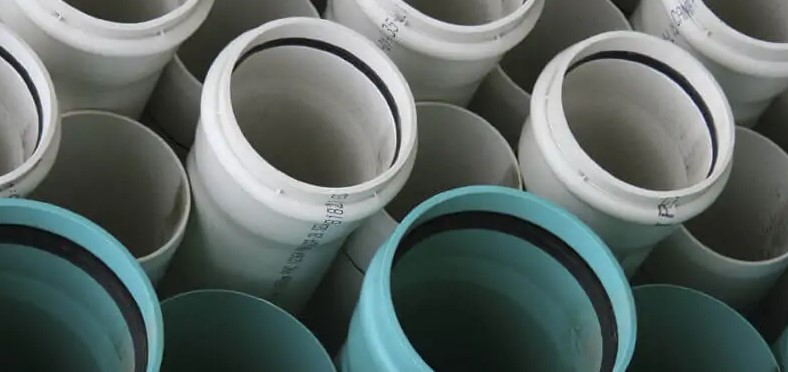
One of the most popular choices is PVC (Polyvinyl Chloride). PVC pipes are lightweight, affordable, and easy to install, making them a favorite for modern residential drainage systems. They are resistant to corrosion, chemicals, and rust, which means they can last for decades with minimal maintenance. Because of their smooth interior surface, water flows easily, reducing the chance of blockages.
Another common material is HDPE (High-Density Polyethylene). These pipes are known for their flexibility and durability. Unlike rigid pipes, HDPE can bend slightly without cracking, making it a great option for areas where the ground may shift over time. It also performs well under heavy loads, making it suitable for both residential and commercial drainage projects.
For projects that require exceptional strength, concrete pipes are often used. These heavy-duty pipes are commonly installed in public drainage systems, highways, and large infrastructure projects. Concrete can withstand high pressure and heavy traffic above ground. However, because they are extremely heavy, they require specialized equipment during installation, which increases labor costs.
Older buildings may still use clay pipes. Clay has been used for drainage systems for hundreds of years because it is naturally resistant to chemicals and corrosion. While clay pipes can last a very long time, they are also brittle. Tree roots can penetrate the joints, and the pipes may crack if the ground shifts significantly. As a result, clay is less common in modern construction.
Another traditional option is cast iron pipes. These pipes are incredibly strong and can handle high temperatures and heavy loads. They also reduce noise from flowing water, making them useful in multi-story buildings. On the downside, cast iron is expensive, heavy, and can eventually rust if not properly maintained.
So, which material is the best? The answer depends on your needs. If you’re building a standard home, PVC usually offers the best balance between cost, durability, and ease of installation. If your property is located on unstable soil, HDPE may be the smarter investment because of its flexibility. Large-scale construction projects often rely on concrete due to its incredible strength, while cast iron remains a premium option for buildings that require excellent durability and sound insulation.
Besides choosing the material, proper installation is just as important. Even the highest-quality drain pipes can fail if they are installed incorrectly. Hiring experienced professionals and following local building regulations will help ensure that your drainage system performs efficiently for many years.
At the end of the day, selecting the right drain pipe material is about balancing your budget, the environment, and long-term performance. A well-designed drainage system may never be seen, but it plays a huge role in keeping your home safe, clean, and comfortable.