
Thursday, 25 June 2026
A strong brick wall starts long before the first brick is placed. Careful planning, proper materials, and good construction techniques are what determine whether a wall will remain solid for decades or develop cracks after only a few years.
The first step is preparing a stable foundation. Every brick wall depends on a level, strong base that can support its weight evenly. If the foundation is uneven or weak, even perfectly laid bricks may eventually shift or crack.
Next comes choosing quality materials. Durable bricks, clean sand, fresh cement, and the correct mortar mix all contribute to a stronger structure. Saving money by purchasing poor-quality materials often leads to higher repair costs in the future.
Before laying bricks, mark the wall carefully using guide lines and measurements. Straight reference lines help maintain consistent alignment and prevent the wall from leaning as construction progresses.
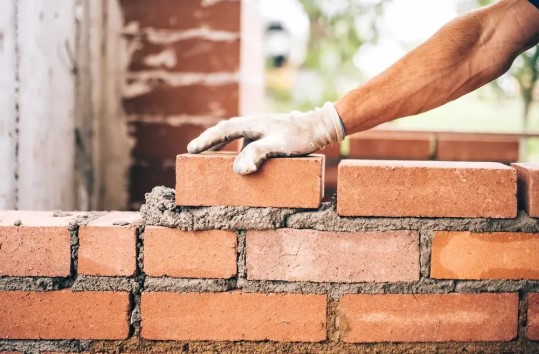
Mortar application is another critical stage. Each brick should receive an even layer of mortar to ensure full contact with surrounding bricks. Too much mortar creates unnecessary waste, while too little reduces the wall’s strength and stability.
Proper brick bonding patterns also improve structural performance. Instead of stacking vertical joints directly on top of each other, staggered brick patterns distribute loads more evenly and create stronger connections throughout the wall.
Builders should regularly check both horizontal and vertical alignment using a spirit level. Small errors become much more noticeable as the wall gets taller, making regular adjustments essential during construction.
Another important factor is allowing the mortar to cure properly. Fresh brickwork should be protected from heavy rain, extreme heat, or sudden drying during the early curing period. Proper curing helps the mortar achieve its maximum strength.
Construction quality is equally important as design. Rushing the process often leads to uneven joints, weak bonding, and long-term structural problems. Taking time to complete each layer accurately results in a much stronger and more attractive finished wall.
Safety should never be overlooked. Workers should use appropriate protective equipment, secure scaffolding when necessary, and handle construction materials carefully to minimize accidents during the building process.
Finally, regular maintenance helps extend the wall’s lifespan. Periodically inspect for small cracks, damaged mortar joints, or water infiltration. Addressing minor issues early prevents larger structural repairs later.
Building an effective brick wall is not simply about stacking bricks together. It requires careful preparation, accurate measurements, quality materials, proper mortar application, and patience throughout the construction process. When these fundamentals are followed, the result is a wall that is not only visually appealing but also durable, safe, and capable of standing strong for many years.