
Sunday, 30 August 2026
Choosing wood for furniture sounds simple, right? You might think you only need to find a beautiful piece of timber and turn it into a table, cabinet, chair, or bed.
But there is actually more to it. Different types of wood have different levels of strength, durability, appearance, price, and workability. According to Wood Designer, the best choice depends on what kind of furniture you want to make and where it will be used.
So, before buying wood for your next furniture project, here are a few things worth considering.
Think About How the Furniture Will Be Used
The first question should be simple: What are you making?
A dining table needs to handle regular use and weight, while a decorative shelf may not need the same level of strength. Cabinets need stability and a clean finish, while outdoor furniture has to deal with rain, sunlight, and changing weather.
For tables, Wood Designer recommends options such as oak, maple, walnut, beech, and ash because they offer good strength and resistance to everyday wear.
So, don’t choose wood just because it looks nice. Think about the job the furniture has to do.
Understand Hardwood, Softwood, and Engineered Wood
Wood for furniture can generally be divided into three groups: hardwoods, softwoods, and engineered or composite woods.
Hardwoods include oak, maple, walnut, cherry, beech, ash, and mahogany. They are commonly chosen for furniture because of their durability, strength, and natural appearance.
Softwoods, such as pine, cedar, spruce, and fir, are often lighter and more affordable. They can also be easier to work with, making them popular for budget-friendly or painted furniture.
Then there are engineered woods, including plywood, MDF, particle board, and laminated board. These materials are widely used in modern furniture, particularly for cabinets, wardrobes, and other practical applications.
Consider Your Budget
Let’s be realistic: budget matters.
Some solid hardwoods can be expensive, especially when the wood is difficult to source. If you’re building furniture for your home and don’t necessarily need premium solid timber, engineered wood can be a practical alternative.
For example, MDF can provide a smooth surface that works particularly well with paint, while plywood is often used where stability and strength are important.
The goal isn’t always to buy the most expensive wood. It’s about finding the material that gives you the right balance between price and performance.
Think About the Environment
Where will the furniture be placed? Kitchen furniture has to deal with moisture, temperature changes, and frequent use. Outdoor furniture has an even tougher job because it faces rain, UV exposure, and wind.
For outdoor furniture, options such as teak, cedar, white oak, jarrah, treated softwoods, and UV-resistant WPC can be considered.
For kitchens, untreated softwood is generally not the best choice for areas exposed to high moisture.
Don’t Forget the Appearance
Finally, think about the look you want.
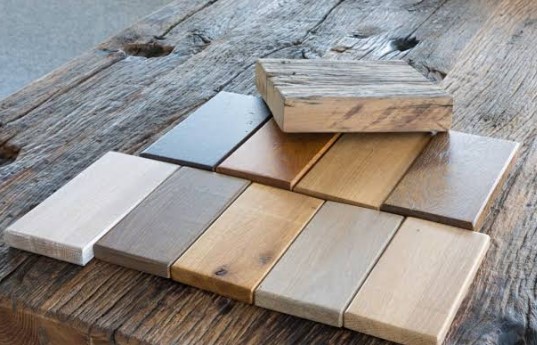
Oak gives furniture a classic natural appearance. Walnut has a rich and attractive color. Cherry develops a deeper color as it ages, while pine can create a lighter and more casual feel.
In the end, there is no single “best” wood for every furniture project. The right choice depends on the furniture’s purpose, your budget, the environment, durability requirements, and the style you want.
Choose based on those factors, and your furniture will have a much better chance of looking good and staying useful for years.