
Tuesday, 16 June 2026
A successful construction project doesn’t happen by accident. Whether you’re building a villa, hotel, commercial property, or homestay, several key factors determine whether the project finishes on time, within budget, and meets quality expectations.
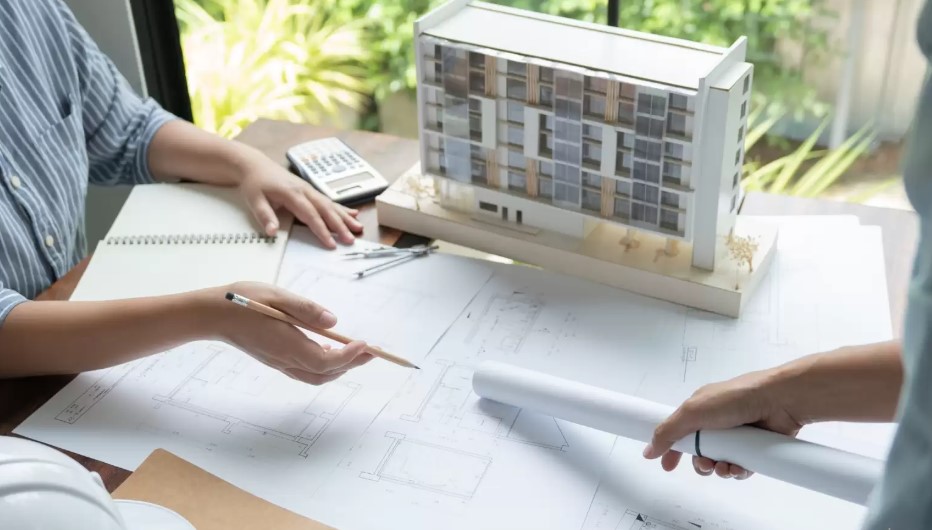
The first and most important factor is proper planning. Every successful project starts with a clear vision, realistic budget, and detailed timeline. Without thorough planning, even small issues can quickly become costly delays.
Communication is another critical element. Construction projects involve architects, engineers, contractors, suppliers, and property owners. Clear communication ensures everyone understands project goals, responsibilities, and deadlines. Miscommunication often leads to mistakes, rework, and budget overruns.
A skilled and experienced project team also plays a major role. Hiring qualified professionals can help identify potential challenges before they become serious problems. Experienced contractors know how to manage resources efficiently and maintain construction quality throughout the project.
Budget management is equally important. Unexpected costs are common in construction, so project owners should include contingency funds for unforeseen expenses. Careful financial planning helps prevent disruptions and keeps projects moving forward.
Quality materials contribute significantly to project success. Using durable and appropriate materials may require a higher initial investment, but it often reduces maintenance and repair costs in the long run. Quality construction also improves safety and increases property value.
Risk management should never be overlooked. Weather conditions, supply chain disruptions, labor shortages, and regulatory changes can all affect construction schedules. Identifying risks early allows project teams to develop backup plans and minimize delays.
Technology is becoming increasingly valuable in modern construction. Project management software, digital design tools, and real-time monitoring systems help improve efficiency, coordination, and accuracy. These technologies can reduce errors and provide better visibility into project progress.
Safety is another essential factor. A safe work environment protects workers, reduces accidents, and prevents costly interruptions. Construction companies that prioritize safety often experience higher productivity and better project outcomes.
Finally, flexibility is crucial. Even the best-planned projects encounter unexpected challenges. Teams that can adapt quickly while maintaining quality standards are more likely to achieve successful results.