
Wednesday, 24 June 2026
Proper drainage is one of the most important parts of any construction project. Without it, water can collect around foundations, damage landscaping, and shorten the lifespan of buildings.
Two of the most popular materials used for drainage are river rock and crushed stone. While they may look similar, they perform quite differently depending on the application. So, which one should you choose?
What Is River Rock?
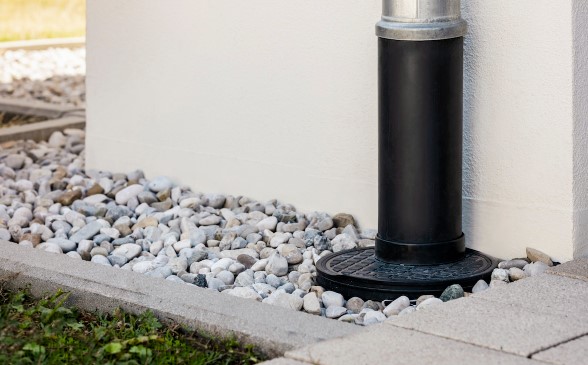
River rock consists of naturally rounded stones that have been shaped over many years by flowing water.
Because of their smooth appearance, river rocks are often used in landscaping, garden paths, decorative borders, and water features. They create a clean and natural look that many homeowners love. However, when it comes to drainage performance, appearance isn’t everything.
What Is Crushed Stone?
Crushed stone is produced by mechanically breaking larger rocks into smaller pieces.
Unlike river rock, crushed stone has rough, angular edges. These irregular shapes help the stones lock together while still leaving plenty of space for water to flow through.
That’s why crushed stone is commonly used in construction and drainage systems.
Drainage Performance
For pure drainage efficiency, crushed stone is generally the better choice.
Its angular shape creates stable air pockets between stones, allowing water to move quickly without causing the material to shift easily. This makes it ideal for French drains, foundation drainage, retaining walls, and trench systems.
River rock also allows water to pass through, but the smooth, rounded stones can shift over time and may not provide the same level of stability.
Appearance
If aesthetics are your priority, river rock usually wins. Its smooth texture and natural colors create a premium landscape finish that blends beautifully with gardens, pools, and outdoor living spaces.
Crushed stone looks more industrial but works well when hidden beneath the surface.
Cost Considerations
Pricing varies depending on location and availability. In many regions, crushed stone is often more affordable because it is widely produced for construction projects. River rock can be more expensive due to additional processing and transportation.
Which Material Should You Choose?
The answer depends on your project. If you’re building drainage systems around foundations, driveways, or retaining walls, crushed stone offers superior performance and long-term stability.
If you’re creating decorative landscaping while still providing basic water flow, river rock can be an excellent option.
Some projects even combine both materials—using crushed stone underneath for effective drainage and river rock on top for visual appeal.
Well both river rock and crushed stone have their strengths. River rock delivers beautiful landscaping with moderate drainage performance, while crushed stone provides outstanding water management and structural stability. Understanding the purpose of your project will help you select the right material and avoid costly drainage problems in the future.
For construction projects in tropical environments like Lombok, choosing the appropriate drainage material is a small decision that can make a huge difference in the long-term durability of your property.