
Saturday, 05 September 2026
When building a house or other structure, bricks may look like simple materials. However, not all cement bricks are made in the same way. The materials used to make them can have a big effect on their strength, durability, and overall quality.
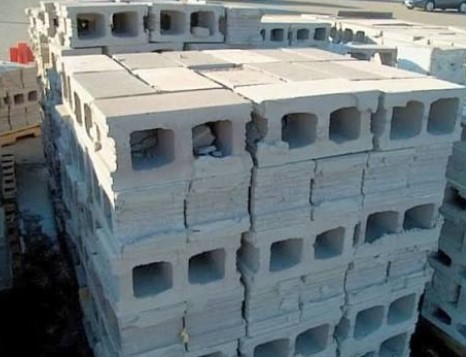
Cement bricks, also known as concrete masonry units or CMUs, are commonly used for foundations, walls, and other parts of buildings. They are popular because they can be durable, water-resistant, cost-effective, and useful for different types of construction.
So, what makes a cement brick strong?
Cement Is an Important Ingredient
As the name suggests, cement is one of the main materials in cement bricks. It works as a binder that holds the other materials together.
However, using cement alone does not create a strong brick. The final quality depends on the combination of cement, sand, aggregate, and water. The type and quality of each material can affect the performance of the finished brick.
This is why choosing good-quality cement is an important step when producing strong bricks.
The Role of Sand
Sand is another important part of the mixture. But not every type of sand is suitable for making cement bricks.
Sephaku Cement explains that building sand is a good option because it mixes well with cement. Gravel can also be added to the mixture, depending on the desired result.
One important point is to avoid sea sand when making cement bricks. Its use can result in weaker bricks, making the final structure less reliable.
Choosing the Right Aggregate
Aggregate gives cement bricks much of their bulk and helps contribute to their strength. Different types of aggregate can be used, including crushed stone, mixtures of sand and gravel, limestone, and certain industrial materials.
Fly ash, which is a fine material produced from burning powdered coal, can also be used as an aggregate. The choice depends on the production method and the required characteristics of the brick.
Solid and Hollow Bricks
Cement bricks are available in both solid and hollow forms. Solid bricks can provide a strong and stable wall, while hollow bricks have the advantage of being lighter.
Hollow bricks can also allow reinforcement bars to pass through the wall. Extra cement mortar can be added inside the hollow sections when additional strength is needed.
This makes hollow blocks useful for different construction applications.
Quality Cement Matters
The quality of the cement should never be ignored. Using reliable cement can help produce bricks with better strength and durability.
Sephaku Cement recommends choosing cement that carries an approved certification mark, such as the South African Bureau of Standards certification in South Africa. This gives builders greater confidence that the cement meets required quality standards.
Good Materials, Better Bricks
Making strong cement bricks is not simply about adding more cement. It is about finding the right combination of materials and using them properly.
Good cement, suitable sand, quality aggregate, and the correct amount of water all play an important role. The type of brick also needs to match the requirements of the construction project.
For builders, choosing quality materials from the beginning can help create stronger and more durable walls. A small decision during brick production can have a big impact on the building’s long-term performance.
In simple terms, strong cement bricks start with good ingredients. When the right cement, sand, aggregate, and water are combined correctly, the result can be a reliable building material that supports strong and long-lasting construction.