
Monday, 13 July 2026
Red bricks have been used in construction for centuries, and despite modern manufacturing technology, the traditional method of making red bricks is still alive in many parts of Indonesia. Skilled craftsmen continue to use techniques that have been passed down from generation to generation, producing bricks that remain popular for homes, villas, and commercial buildings.
The process begins with selecting good-quality clay. This is one of the most important steps because the quality of the clay determines the strength and durability of the finished brick. The clay is carefully collected, cleaned, and mixed with water until it reaches the right consistency.
Once the mixture is ready, workers knead the clay by hand or with simple tools. This helps remove air pockets and creates a smooth, even texture. Although machines are available today, many traditional brick makers still prefer manual methods because they allow better control over the material.
The next step is molding. The soft clay is placed into wooden molds that give each brick its familiar rectangular shape. After molding, the bricks are carefully removed and lined up on flat ground to begin the drying process.
Drying is done naturally under the sun. Depending on the weather, this stage may take several days. Proper drying is very important because bricks that still contain too much moisture can crack or break during firing.
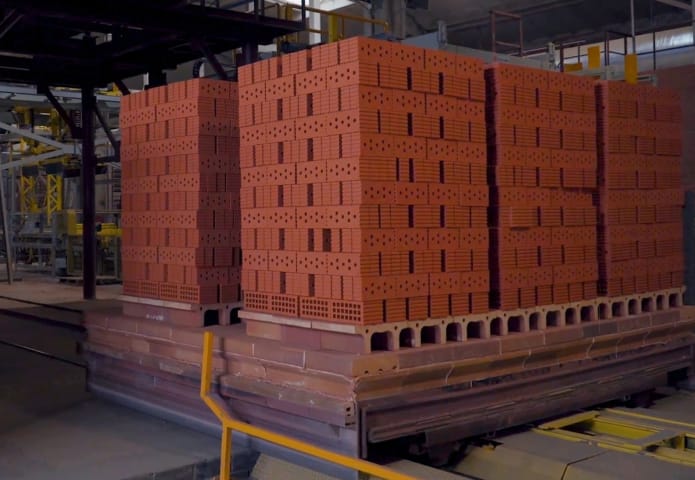
After drying, the bricks are stacked inside a traditional kiln or arranged in large firing piles. Wood, rice husks, coconut shells, or other natural fuels are commonly used to generate heat. The firing process lasts for several days and requires constant monitoring to ensure the temperature remains consistent.
Once firing is complete, the bricks are left to cool naturally before being sorted. Experienced workers carefully inspect each brick for cracks, color consistency, and overall quality. Only bricks that meet the required standards are prepared for sale.
Traditional red bricks remain popular because they offer several advantages. They are durable, have excellent thermal performance, and create a natural appearance that fits many architectural styles. Their warm red color also gives buildings a timeless and elegant look.
Another benefit is sustainability. Since traditional brick making often uses locally sourced materials and local labor, it supports rural communities while reducing transportation costs. Many small brick-making businesses continue to provide jobs for families who have practiced this craft for decades.
Today, architects and developers often combine traditional red bricks with modern construction techniques. This creates buildings that are both strong and visually appealing while preserving Indonesia’s rich construction heritage.
Although technology continues to evolve, traditional brick making remains an important part of the country’s building industry. It is more than just a manufacturing process—it is a cultural tradition that reflects patience, craftsmanship, and generations of experience.
As demand for authentic and sustainable building materials continues to grow, traditional red bricks are likely to remain a favorite choice for homeowners, builders, and developers who appreciate both quality and heritage.