
Wednesday, 1 July 2026
Walls do much more than divide rooms or support a roof. They provide structural strength, improve energy efficiency, reduce noise, and protect a building from the weather. Choosing the right type of wall is one of the most important decisions in any construction project, whether you’re building a family home, a commercial property, or a vacation villa.
Generally, walls fall into two main categories: load-bearing walls and non-load-bearing walls. A load-bearing wall carries the weight of the structure above it, including the roof and upper floors. Removing one without proper engineering can seriously weaken a building. Non-load-bearing walls, on the other hand, mainly serve as partitions to separate spaces and can usually be modified more easily during renovations.
When it comes to materials, brick walls remain one of the most popular choices. Bricks are durable, fire-resistant, and require minimal maintenance. They also offer good thermal insulation, helping keep indoor temperatures comfortable throughout the year. Although brick construction may take longer than some modern alternatives, its strength and long lifespan make it a worthwhile investment.
Concrete block walls are another common option, especially for larger buildings. Concrete blocks are strong, affordable, and can be installed relatively quickly. They perform well in areas that require solid structural support and are resistant to pests and harsh weather conditions. However, they often require additional finishing to achieve a polished appearance.
Stone walls are known for their timeless beauty and exceptional durability. Natural stone creates a premium look that can significantly increase a property’s value. While stone construction is generally more expensive and labor-intensive, it offers outstanding resistance to weather and can last for generations with proper maintenance.
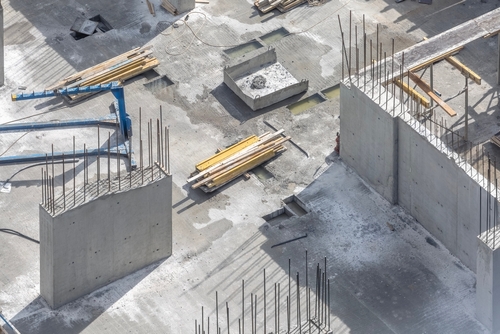
Reinforced concrete walls are widely used in high-rise buildings and modern commercial projects. Steel reinforcement inside the concrete provides exceptional strength, making these walls ideal for structures that need to withstand heavy loads or seismic activity. They are also highly durable and require very little maintenance over time.
For interior spaces, gypsum board or drywall walls have become increasingly popular. They are lightweight, cost-effective, and easy to install. Drywall allows homeowners to create flexible room layouts and makes future renovations much simpler. Although it is not suitable for heavy structural loads, it performs well as an interior partition.
Glass walls are another modern option, especially in offices, hotels, and luxury homes. They maximize natural light, create an open atmosphere, and enhance the overall appearance of a building. Advances in tempered and laminated glass have improved both safety and energy efficiency, making glass walls more practical than ever before.
Selecting the right wall material depends on several factors. Budget is naturally important, but climate, building purpose, maintenance requirements, and local building regulations should also be considered. A coastal property may require materials that resist moisture and salt exposure, while homes in hotter climates benefit from walls with better insulation.
Ultimately, there is no single “best” wall for every project. The ideal choice balances strength, durability, appearance, cost, and long-term performance. By understanding the characteristics of each material, homeowners and developers can make informed decisions that create safer, more comfortable, and longer-lasting buildings.