
Wednesday, 14 October 2026
Construction is not just about putting bricks together or building walls. Every project has its own purpose, materials, workers, and steps that need to be completed. Whether it is a small house, a shopping mall, or a large industrial facility, understanding the types of construction and their stages can help us see how a project moves from an idea to a finished building.
Different Types of Construction Projects
Residential Construction
Residential construction focuses on places where people live, such as houses, apartments, and residential complexes. These projects usually pay attention to comfort, safety, privacy, and practical layouts. The design also depends on the owner’s budget, lifestyle, and the size of the available land.
Commercial Construction
Commercial projects include offices, shopping centers, hotels, restaurants, and other buildings used for business activities. These buildings often require more complex designs because they need to accommodate employees, customers, equipment, and public facilities.
Industrial Construction
Industrial construction involves facilities such as factories, warehouses, power plants, and manufacturing buildings. These projects often require specialized equipment, strong structural systems, and careful safety planning because of their operational needs.
Infrastructure Construction
Infrastructure projects support everyday life and economic activities. Examples include roads, bridges, airports, railways, drainage systems, and water supply networks. Unlike residential buildings, these projects often cover larger areas and require coordination between different teams and government agencies.
The Main Stages of a Construction Project
A construction project usually goes through several stages before it is ready to use.
Planning and Design
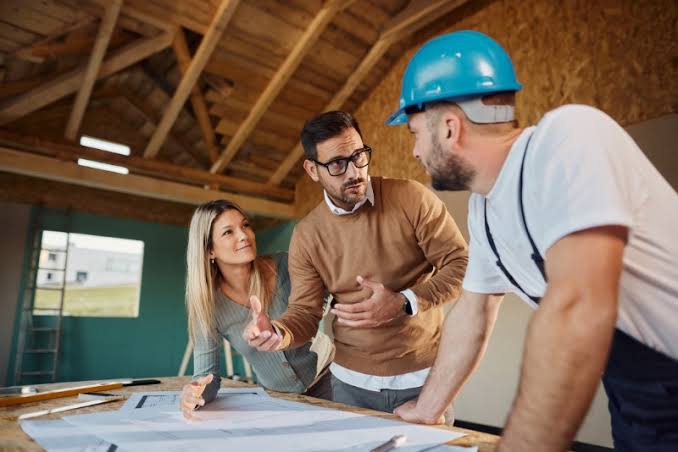
Everything starts with an idea. The owner determines the project’s purpose, budget, location, and basic requirements. Architects and engineers then prepare designs, technical drawings, and cost estimates. This stage helps identify potential problems before construction begins.
Permits and Preparation
Before work starts, the project team needs to check applicable regulations and obtain the necessary permits. The site is also inspected and prepared, including clearing the land and arranging access for workers and equipment.
Foundation and Structural Work
Once the site is ready, workers begin building the foundation. This part supports the entire structure, so it must match the soil conditions and building design. The team then constructs the main structural elements, such as columns, beams, floors, and walls.
Installation and Finishing
After the main structure is completed, workers install electrical wiring, plumbing, ventilation, doors, windows, and roofing systems. Finishing work follows, including painting, flooring, and interior details.
Inspection and Handover
Before the building can be occupied, the project team checks its quality, safety, and essential systems. Any problems must be addressed before the owner receives the finished property.
Why Understanding These Stages Matters
Knowing the types and stages of construction helps owners manage their budgets, set realistic expectations, and communicate better with contractors. It also makes it easier to understand why some projects take longer than expected.
In the end, successful construction is about more than completing a building. It requires careful planning, suitable materials, skilled workers, and good coordination at every stage.