
Tuesday, 13 October 2026
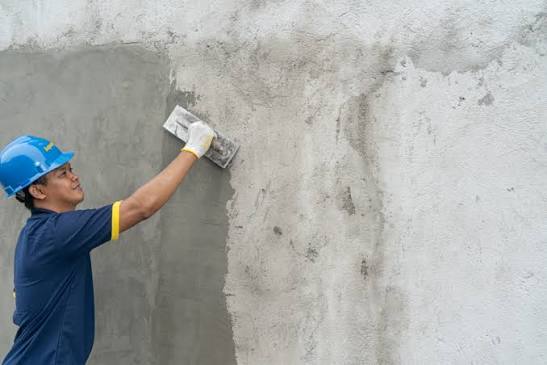
When building or renovating a house, plastering is one of those steps that should not be overlooked. It might seem like a small detail, but plaster plays an important role in making walls look neat, smooth, and ready for painting. It can also help protect walls from everyday wear and tear. Interestingly, there are several types of plaster, and each one has its own purpose.
Cement Plaster
Cement plaster is one of the most common choices in residential construction. It is made by mixing cement, sand, and water to create a material that can be applied to walls and ceilings.
This type of plaster is known for its strength and durability. It works well on both interior and exterior walls, making it a practical option for many houses. However, proper mixing and curing are important to prevent cracks and ensure a long-lasting finish.
Lime Plaster
Lime plaster is a traditional material made using lime, sand, and water. It has been used in construction for centuries and remains popular for certain building projects.
One of its advantages is its ability to allow moisture to move through the wall more easily than some less breathable finishes. This can be useful in traditional buildings and restoration projects. Lime plaster also creates a natural-looking finish that suits classic and rustic home designs.
Gypsum Plaster
Gypsum plaster is a popular option for interior walls and ceilings. It creates a smooth surface that is generally easy to prepare for painting or other decorative finishes.
Compared with conventional cement plaster, gypsum plaster can dry relatively quickly and often requires less finishing work. However, it is generally more suitable for indoor areas because prolonged exposure to moisture can damage it.
Mud Plaster
Mud plaster is made from soil, water, and sometimes additional materials such as straw. It is commonly associated with traditional houses and natural construction methods.
This type of plaster can be an affordable choice where suitable soil is available. It also gives walls an earthy appearance. However, it usually needs protection from rain and excessive moisture, especially when used on exterior surfaces.
Stucco Plaster
Stucco is often used to create decorative finishes on exterior walls. Depending on the system, it can contain cement, lime, sand, and other ingredients.
It can provide an attractive textured surface and complement modern, Mediterranean, or traditional house designs. Correct installation is essential, particularly in areas exposed to heavy rain or changing weather.
Choosing the Right Plaster
Before choosing a plaster type, consider the location of the wall, local climate, budget, and finish you want to achieve. Cement plaster is a practical all-round option, gypsum works well indoors, and lime or mud plaster may suit particular traditional or natural building projects.
It is also important to follow the manufacturer’s instructions and consult a construction professional when necessary.
In the end, plastering is more than just making walls look good. Choosing the right material can improve the appearance, durability, and overall quality of your home.