
Thursday, 09 July 2026
Wallpaper has made a huge comeback in modern construction and interior design. It’s no longer just a decorative feature—it’s now a practical way to create stylish, durable, and personalized spaces. Whether you’re finishing a new home, office, hotel, or commercial building, proper wallpaper installation can completely transform a room. However, achieving a flawless finish requires careful preparation, the right materials, and professional workmanship.
The first step in wallpaper installation is preparing the wall surface. Even the highest-quality wallpaper won’t look good if it’s applied to an uneven or dirty wall. The surface should be smooth, dry, clean, and free from dust, grease, or peeling paint. Any cracks, holes, or imperfections should be repaired before installation. A properly prepared wall ensures better adhesion and extends the lifespan of the wallpaper.
Next comes measuring the room and cutting the wallpaper accurately. Before applying adhesive, installers should calculate the amount of wallpaper needed while considering pattern alignment. Wallpapers with repeating designs require extra attention because each strip must match perfectly with the next one. Taking accurate measurements also helps reduce material waste and saves installation time.
Choosing the correct adhesive is another important factor. Different wallpaper materials require different types of glue. Vinyl, fabric, textured, and non-woven wallpapers each have specific installation requirements. Using the recommended adhesive ensures the wallpaper sticks firmly to the wall and minimizes the risk of peeling over time.
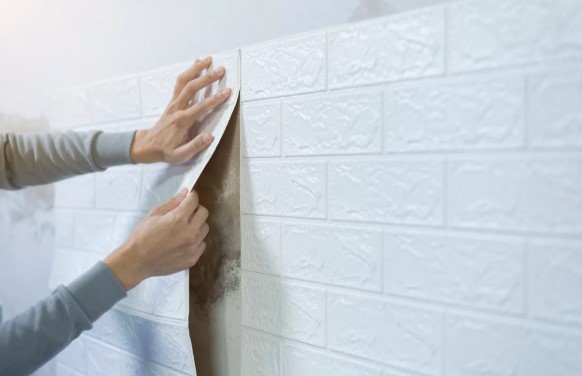
Once the adhesive is ready, installation should begin carefully from the top of the wall and continue downward. Installers use specialized tools such as smoothing brushes or plastic rollers to remove trapped air bubbles and wrinkles. Working slowly and methodically helps create a seamless finish while preventing visible gaps between wallpaper panels.
Corners, windows, electrical outlets, and door frames require extra precision. These detailed areas often determine whether the final result looks professional or unfinished. Skilled installers carefully trim excess wallpaper using sharp utility knives to achieve clean and neat edges.
After installation, the wallpaper needs time to settle and dry naturally. It’s important to avoid excessive heat or strong airflow during the drying process because rapid drying may affect adhesion. Proper curing allows the adhesive to bond completely with the wall, resulting in a stronger and longer-lasting finish.
Beyond aesthetics, wallpaper offers several practical advantages. High-quality wallpaper can protect walls from minor scratches, hide small surface imperfections, and provide easier maintenance compared to traditional paint. Many modern wallpapers are also washable, making them ideal for hotels, offices, restaurants, and family homes where durability is essential.
For large construction projects, professional installation becomes even more valuable. Commercial buildings require consistent finishing quality across multiple rooms, and experienced installers can maintain uniform patterns, clean joints, and efficient project timelines. This is why many developers rely on professional construction teams instead of handling wallpaper installation independently.
If you’re planning to build or renovate a property in Lombok, partnering with an experienced contractor can make the entire finishing process much smoother. PT Developer Lokasi Pas offers complete construction and finishing services, including wallpaper installation, alongside structural construction, ceiling work, steel construction, drainage systems, and interior finishing solutions. Their integrated approach emphasizes quality workmanship, careful material selection, quality control, and on-time project delivery. They also have experience handling wallpaper and finishing projects as part of their construction portfolio.
In the end, beautiful wallpaper isn’t just about choosing an attractive design. Success comes from proper wall preparation, accurate installation techniques, quality materials, and skilled craftsmanship. When all these elements come together, wallpaper becomes a long-lasting investment that enhances both the beauty and value of any property.