
Wednesday, 02 September 2026
When building or renovating a house, choosing the right wall material is one decision you shouldn’t take lightly. Walls are not just there to divide rooms or make the house look good. They also protect the home from weather, provide insulation, and contribute to the overall strength of the building.
With so many materials available today, it can be a little confusing to decide which one is best. The right choice depends on your budget, the climate, the design you want, and how much maintenance you are willing to do.
Brick: A Classic Choice
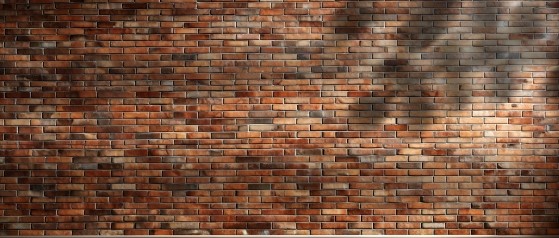
Brick has been used in houses for generations, and there’s a good reason for that. It is strong, durable, and relatively easy to maintain. Brick walls can also provide decent thermal performance, helping the house stay more comfortable in different weather conditions.
Another advantage is that brick has a timeless appearance. Whether you want a traditional or modern home, exposed brick can add character to the design.
The downside is that brick construction can take more time because individual bricks need to be laid and joined together.
Concrete: Strong and Reliable
Concrete is another popular option, especially when strength and durability are priorities. Concrete walls can provide excellent structural performance and are suitable for many types of residential construction.
They can also be shaped and finished in different ways depending on the architectural design. However, concrete construction may require skilled workers and proper planning to achieve the desired result.
Wood: Warm and Natural
If you want your house to have a warm and natural feeling, wood could be an interesting option. Wooden walls can create a comfortable atmosphere and work especially well with homes that have a rustic, traditional, or contemporary design.
Wood is also relatively lightweight compared with materials such as concrete and brick. However, it requires more attention to maintenance. Moisture, insects, and weather exposure can damage wood if it is not properly treated and protected.
Stone: Natural and Stylish
Natural stone can give a house a unique and attractive appearance. It is extremely durable and can handle outdoor conditions well when properly installed.
Stone walls can also make a home feel more connected to its surroundings. The main drawback is usually the cost. Stone can be expensive to purchase and install, especially when covering large areas.
Think About Your Local Climate
Your local climate should also influence your decision. In areas with high humidity or frequent rain, moisture resistance becomes especially important. In hot climates, you may want materials that help control indoor temperatures.
It’s also worth thinking about maintenance. A material that looks great but requires constant repairs may not be the most practical choice for your lifestyle.
Choose Based on Your Needs
There isn’t one wall material that is perfect for every house. Brick, concrete, wood, and stone all have their own advantages and disadvantages.
Before making a decision, consider your budget, design preferences, climate, durability requirements, and maintenance needs. If you’re unsure, discussing your plans with an experienced contractor or building professional can help.
The best wall material is ultimately the one that fits your house, your environment, and the way you plan to live in it.