
Tuesday, 14 July 2026
Remodeling a home is exciting. Whether you’re updating a living room, renovating a bedroom, or giving your office a fresh new look, every step brings you closer to the finished space you’ve imagined. But one common mistake many homeowners make is installing wallpaper too early in the remodeling process.
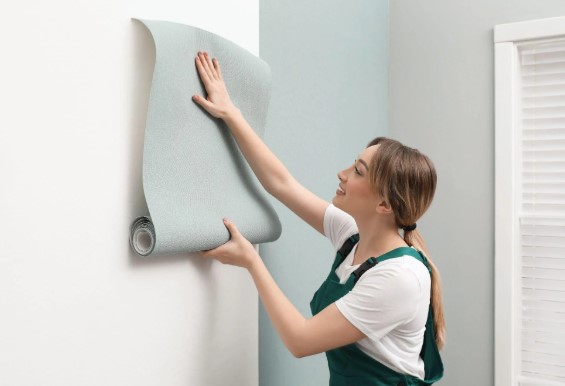
Wallpaper may seem like a simple finishing touch, but timing matters. In fact, professional contractors and interior designers often recommend leaving wallpaper installation until the very end of the project. Doing so helps protect your investment and ensures the final result looks clean, smooth, and long-lasting.
Construction Creates Dust Everywhere
During remodeling, activities like sanding, cutting wood, installing drywall, and painting generate a surprising amount of dust.
Even if your wallpaper is covered, tiny dust particles can settle onto freshly applied adhesive or become trapped beneath the wallpaper surface. This can reduce adhesion and affect the overall appearance.
Waiting until all dusty work is complete allows wallpaper to be installed on clean walls in a cleaner environment.
Prevent Damage from Other Contractors
A remodeling project usually involves several different teams. Electricians, plumbers, painters, carpenters, and furniture installers may all be working in the same space.
If wallpaper is installed before these jobs are finished, it can easily be scratched, stained, torn, or accidentally damaged while tools and materials are being moved around.
Installing wallpaper last helps avoid unnecessary repairs and replacement costs.
Walls Need to Be Fully Finished
Wallpaper works best on walls that are perfectly prepared.
Before installation, walls should be smooth, dry, level, and free from cracks or uneven patches. If repairs or repainting are still underway, applying wallpaper too early could result in bubbles, peeling edges, or visible imperfections.
Finishing all wall preparation first ensures the wallpaper looks seamless once it’s installed.
Temperature and Humidity Matter
Fresh plaster, paint, or concrete can still contain moisture after construction.
Wallpaper adhesive performs best under stable indoor conditions. If walls haven’t fully dried or humidity levels remain high, the wallpaper may not stick properly or could peel over time.
Giving the room enough time to stabilize creates better long-term results.
The Finishing Touch That Completes the Room
Wallpaper is often one of the most eye-catching elements of interior design. Whether you choose a bold pattern, natural texture, or elegant neutral finish, it helps define the room’s personality.
Because it’s such an important visual feature, installing it at the end keeps it looking fresh and flawless when the project is finally complete.
Work with Experienced Professionals
Even high-quality wallpaper won’t look its best without proper installation. Experienced contractors know how to prepare walls, apply adhesive correctly, align patterns perfectly, and avoid common installation problems. They also understand how wallpaper fits into the overall construction schedule, ensuring every stage is completed in the right order.
For homeowners planning a renovation, partnering with a trusted construction company can make the entire process much smoother.
Build First, Decorate Last
At PT Developer Lokasi Pas, we believe every successful remodeling project comes down to careful planning and attention to detail. From structural improvements and room renovations to the final interior finishing, every stage should be completed in the proper sequence to achieve the best results.
Wallpaper may be the final step, but it’s one of the details that brings the whole room together. By waiting until construction, painting, and installation work are fully finished, you’ll enjoy a cleaner installation, longer-lasting wallpaper, and a space that looks polished from every angle.
When remodeling is done the right way—from the foundation to the finishing touches—the results are not only beautiful but also built to last.