
Monday, 29 June 2026
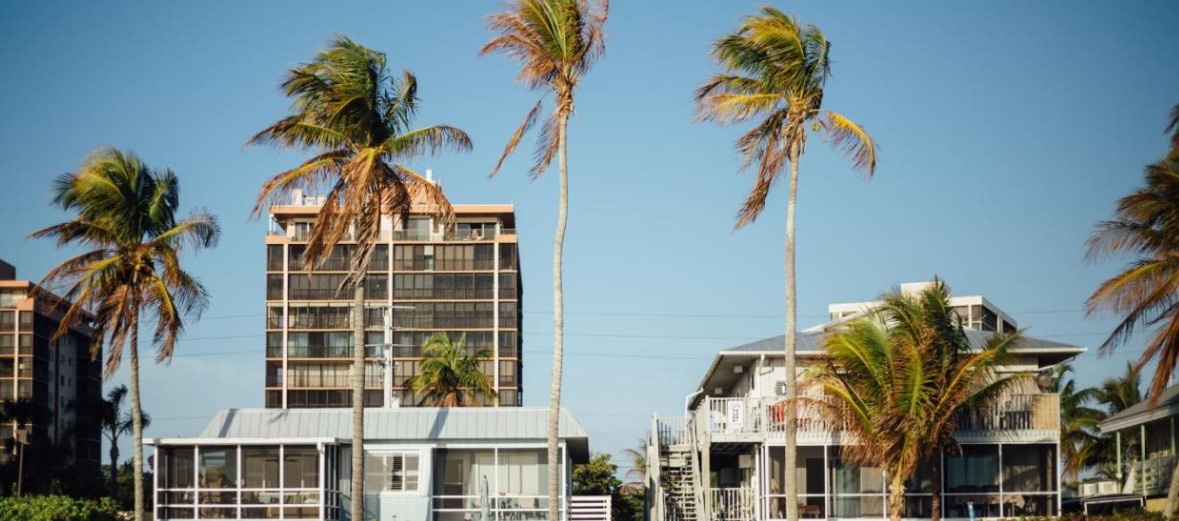
Living near the beach sounds like a dream. Imagine waking up to ocean views, fresh sea breezes, and beautiful sunsets every day. However, building a house or villa in a coastal environment is very different from building inland. Coastal areas expose buildings to salt, strong winds, humidity, and sometimes flooding, which means careful planning is essential.
If you’re planning to build near the coast—whether in Lombok, Bali, or anywhere else—here are the most important things you should do.
1.Choose Corrosion-Resistant Materials
Salt in the air is one of the biggest enemies of buildings near the ocean. It can cause steel to rust much faster and damage metal fixtures over time.
Choose corrosion-resistant materials such as galvanized steel, stainless steel, aluminum, or treated timber. Concrete should also be properly reinforced and sealed to prevent moisture from reaching the steel reinforcement inside.
2.Build for Strong Winds
Coastal regions often experience stronger winds, especially during storms or monsoon seasons. Your home should be designed to withstand these conditions.
A strong roof structure, reinforced walls, and high-quality fasteners help reduce the risk of wind damage. Roof designs that minimize wind uplift are also highly recommended.
3.Protect Against Moisture
High humidity can lead to mold, mildew, and structural deterioration if not properly managed.
Install good ventilation throughout the building, use moisture-resistant paint, and ensure walls and roofs are well waterproofed. Proper drainage around the property also helps keep excess water away from the foundation.
4.Elevate the Building
If the location has any risk of flooding or storm surges, consider raising the building above ground level. Elevated foundations not only improve safety but can also increase airflow beneath the structure, helping reduce moisture problems.
5.Use Durable Exterior Finishes
Exterior walls receive constant exposure to sunlight, rain, and salty air. Choose finishes that are designed for harsh outdoor conditions.
Weather-resistant paints, fiber cement cladding, natural stone, and high-quality render systems generally last longer in coastal environments than standard materials.
6.Prioritize Regular Maintenance
Even the strongest materials require maintenance near the ocean.
Wash exterior surfaces regularly to remove salt deposits, inspect roofing and gutters, repaint exposed surfaces when necessary, and check metal components for early signs of corrosion. Small maintenance tasks can prevent expensive repairs later.
7.Work with Experienced Professionals
Building near the coast requires specialized knowledge. Architects, engineers, and contractors familiar with coastal construction understand how to design homes that perform well in challenging environments while complying with local building regulations.
A coastal home can be one of the most rewarding investments you’ll ever make. The beautiful surroundings and relaxing lifestyle are hard to beat. However, success depends on thoughtful planning, quality materials, and proper construction techniques.
By selecting corrosion-resistant materials, designing for strong winds, controlling moisture, and committing to regular maintenance, you can build a home that remains beautiful, safe, and durable for many years. A little extra planning today will help protect your coastal investment for decades to come.