
Monday, 29 June 2026
Choosing the Right Finish for Every Building
When people think about construction, they often focus on concrete, bricks, or steel. But one important detail is often overlooked—the finish of a material. A finish is the final layer or treatment applied to a surface to improve its appearance, durability, and performance.
Whether you’re building a house, villa, office, or commercial space, selecting the right finish can make a huge difference in both aesthetics and long-term maintenance.
Why Do Material Finishes Matter?
Finishes are not just about making a building look beautiful. They also protect surfaces from weather, moisture, scratches, stains, and everyday wear. A well-chosen finish can extend the lifespan of building materials while reducing maintenance costs.
Here are some of the most common finishes used in construction.
1.Paint Finish
Paint is one of the most popular finishing materials because it is affordable, easy to apply, and available in countless colors.
Exterior paints are designed to resist UV rays and rain, while interior paints focus on aesthetics and easy cleaning.
2.Plaster Finish
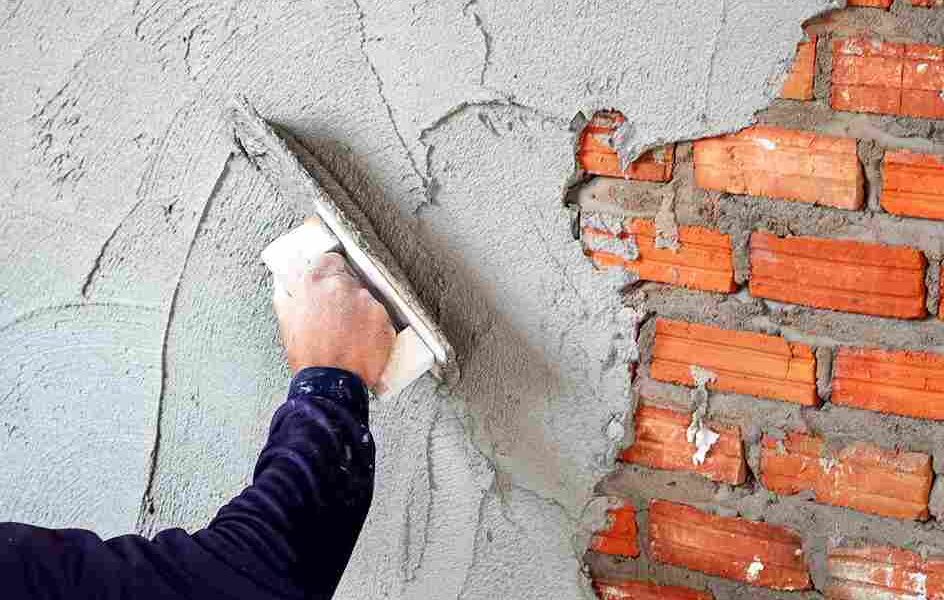
Plaster creates smooth walls and ceilings that are ready for painting or decorating. It also helps improve fire resistance and provides a clean, modern appearance.
3.Tile Finish
Tiles are commonly used in kitchens, bathrooms, and outdoor spaces because they are water-resistant, durable, and easy to clean.
Ceramic, porcelain, and natural stone tiles each offer different advantages depending on the application.
4.Wood Finish
Wood surfaces can be finished with varnish, stain, lacquer, or protective oils. These treatments enhance the natural grain while protecting the wood from moisture, insects, and scratches.
5.Stone Finish
Natural stone can be polished, honed, brushed, or textured depending on the desired appearance.
Polished stone creates a luxurious look, while textured finishes provide better slip resistance for outdoor areas.
6.Metal Finish
Steel and aluminum often receive protective finishes such as powder coating, galvanizing, or anodizing. These finishes help prevent rust and improve durability, especially in outdoor or coastal environments.
7.Concrete Finish
Concrete doesn’t always have to be hidden beneath other materials. Polished concrete, stamped concrete, and exposed aggregate finishes are increasingly popular in modern homes because they combine durability with contemporary design.
Choosing the Right Finish
Different buildings require different finishes. Residential homes usually prioritize comfort and aesthetics, while commercial buildings often focus on durability and easy maintenance. Coastal properties need finishes that resist salt and humidity, while tropical climates benefit from moisture-resistant materials.
Budget, climate, maintenance requirements, and design style should all be considered before making a decision.
Material finishes are the final touch that brings a building to life. They improve appearance, protect structural materials, and increase the lifespan of the property.
By understanding the strengths of different finishes—from paint and plaster to stone, wood, and metal—you can create buildings that are not only attractive but also practical and durable for years to come.