
Wednesday, 08 July 2026
A reliable drainage system starts with one important decision: choosing the right drainage pipe. While pipes are often hidden underground or behind walls, they play a huge role in keeping water flowing properly and protecting buildings from leaks, flooding, and expensive repairs. Whether you’re building a new house, renovating a commercial property, or managing a large construction project, selecting the right drainage pipe can make all the difference.
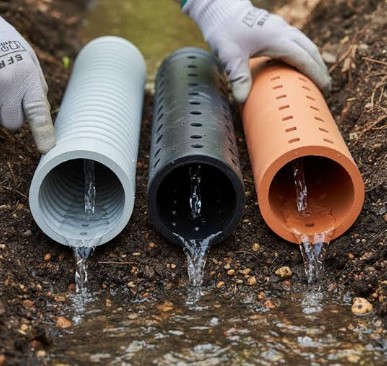
The first factor to consider is the pipe material. Different materials offer different advantages depending on the project’s needs. PVC pipes are one of the most popular choices because they are lightweight, affordable, corrosion-resistant, and easy to install. UPVC pipes provide even greater strength and durability, making them suitable for underground drainage systems. Meanwhile, HDPE pipes are known for their flexibility and excellent resistance to impact, making them ideal for areas with shifting soil or demanding environmental conditions.
Next, think about the size of the pipe. A drainage pipe that is too small may cause water to back up or clog, while one that is too large can increase project costs unnecessarily. The correct pipe diameter depends on the expected water flow, the building size, and the overall drainage design. Working with experienced engineers or contractors can help ensure the right sizing from the beginning.
Installation conditions also matter. Pipes installed underground must withstand soil pressure, moisture, and changing weather conditions. If the project is located in an area with unstable ground or frequent heavy rainfall, choosing a durable and flexible pipe becomes even more important. Long-lasting materials reduce maintenance costs and improve the overall lifespan of the drainage system.
Another key consideration is durability. Drainage pipes are expected to last for decades, so investing in quality materials is always a smart decision. High-quality pipes resist corrosion, chemicals, tree roots, and everyday wear and tear. Although premium products may cost slightly more upfront, they often save significant repair and replacement expenses in the long run.
Ease of installation should not be overlooked either. Lightweight materials like PVC are easier to transport and install, helping contractors complete projects more efficiently. Faster installation means lower labor costs and fewer construction delays, making the project more cost-effective overall.
It’s also essential to choose pipes that comply with recognized quality standards. Certified products have been tested for strength, durability, and performance, giving property owners greater confidence in their investment. Working with trusted manufacturers ensures the drainage system meets both safety and construction requirements.
For developers and contractors, selecting a dependable supplier is just as important as choosing the pipe itself. A trusted construction partner like PT Developer Lokasi Pas understands that every project has unique drainage requirements. By combining quality building materials with professional planning and installation, developers can create infrastructure that remains reliable for many years while minimizing maintenance issues.
At the end of the day, choosing the right drainage pipe isn’t simply about buying plumbing materials. It’s about protecting your investment, improving building performance, and ensuring efficient water management. By carefully considering material, size, durability, installation conditions, and quality standards, you’ll build a drainage system that performs reliably for years to come.