
Tuesday, 28 July 2026
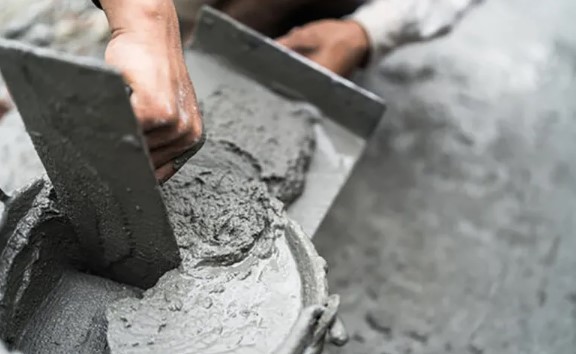
If you’ve ever watched a house being built, you’ve probably seen workers spreading a gray mixture between bricks or smoothing it across a wall. That material is called mortar, and while it may not get as much attention as concrete or steel, it’s one of the most important parts of any construction project.
Mortar is a mixture of cement, fine sand, water, and sometimes special additives that improve its performance. Unlike standard concrete, mortar doesn’t contain coarse gravel. Its main job isn’t to support heavy loads but to bond building materials together and create smooth, durable finishes.
Common Types of Mortar
Not every construction project requires the same type of mortar. Different jobs need different formulations to deliver the best results.
Bricklaying Mortar is designed to bond bricks, concrete blocks, or natural stones together. It provides excellent adhesion while making walls strong and stable.
Plastering Mortar is used to cover wall surfaces before painting or decorating. It helps create a smooth, even finish while protecting the wall underneath from weather and moisture.
Tile Adhesive Mortar is specially formulated to install ceramic, porcelain, or natural stone tiles. It offers stronger bonding than traditional cement mixtures and helps prevent tiles from loosening over time.
Floor Screed Mortar is commonly used to level floors before installing tiles, vinyl, or wooden flooring. A smooth surface ensures better durability and a more professional-looking finish.
Some modern mortar products also include waterproofing agents, quick-setting formulas, or flexible additives for special construction needs.
Advantages of Using Mortar
One of mortar’s biggest advantages is its excellent bonding ability. It securely holds bricks, stones, and blocks together, helping create structures that remain stable for many years.
Mortar is also easy to work with. Because of its smooth consistency, builders can spread and shape it without much difficulty. This makes construction faster while producing cleaner results.
Another benefit is its versatility. Mortar isn’t only used for building walls. It’s also useful for repairing cracks, installing tiles, plastering surfaces, and even decorative finishing work.
Modern ready-mix mortar products offer another advantage: consistency. Since the ingredients are carefully measured during manufacturing, contractors only need to add water before application. This reduces mixing errors and improves construction quality.
Main Functions of Mortar
Mortar serves several important purposes in construction. First, it acts as a strong adhesive between bricks, blocks, or stones, creating solid masonry structures.
Second, it fills gaps and joints, preventing water and air from entering the building. Properly filled joints also improve the wall’s appearance.
Third, mortar creates smooth wall surfaces during plastering, making them ready for paint or wallpaper.
Finally, mortar is widely used during renovation projects. It helps repair damaged masonry, patch cracks, and restore aging structures without replacing entire walls.
Why Mortar Matters
Although it often stays hidden behind paint or bricks, mortar plays a huge role in every successful construction project. Choosing the right type of mortar improves durability, makes installation easier, and helps buildings withstand years of use.
Whether you’re constructing a new home, renovating an old property, or installing beautiful floor tiles, quality mortar provides the reliable foundation that keeps everything securely in place. It’s one of those building materials that may not be visible at the end of the project, but its performance is essential to the strength and longevity of the entire structure.